-
Prehistoric Pollinators

This post was originally published in January 16, 2012, on my blog “Pollinators Info” (no longer online). Scorpionflies did it before birds or bees! Fossils suggest scorpionflies might have been some of Earth’s first pollinating animals! Scorpionflies are a neat group of insects. Their order, Mecoptera, means “long wings,” and their common name comes from…
-
Take Action to Help Pollinators #9

This post was originally published in August 2012, on my blog “Pollinators Info” (no longer online). Put out some ripe fruit Did you know that some butterflies feed exclusively from ripe fruit, tree sap, even dung and carrion? It’s true! These species, such as the lovely commas (Polygonia), don’t serve as important pollinators because they…
-
Take Action to Help Pollinators #8

This post was originally published on April 19, 2012, on my blog “Pollinators Info” (no longer online). Leave those sticks Many native bees and other beneficial insects (like wasps and beetles) nest in stems and fallen wood. If you have large trees on your property, consider leaving their fallen stems for pollinators! If you’re the…
-
Take Action to Help Pollinators #7
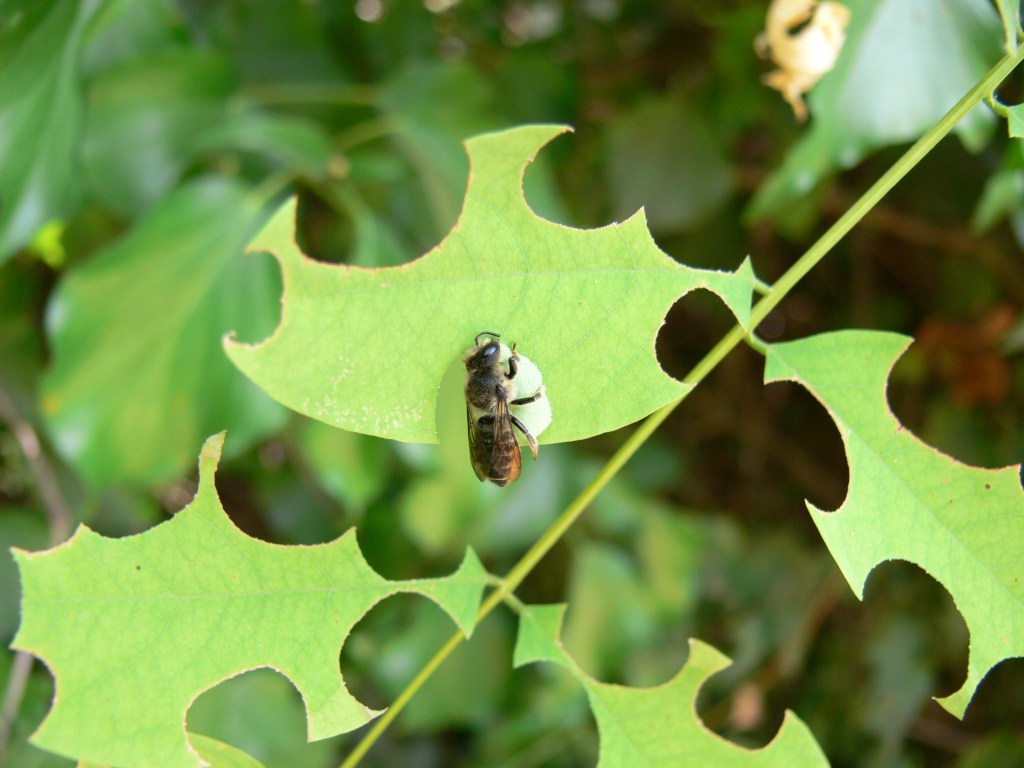
This post was originally published on April 5, 2012, on my blog “Pollinators Info” (no longer online). Allow a little nibbling It seems that many gardeners aim for plants in pristine condition. While this has aesthetic appeal, it usually means killing anything that threatens to take a bite out of their plants. Plants in the…
-
Take Action to Help Pollinators #6
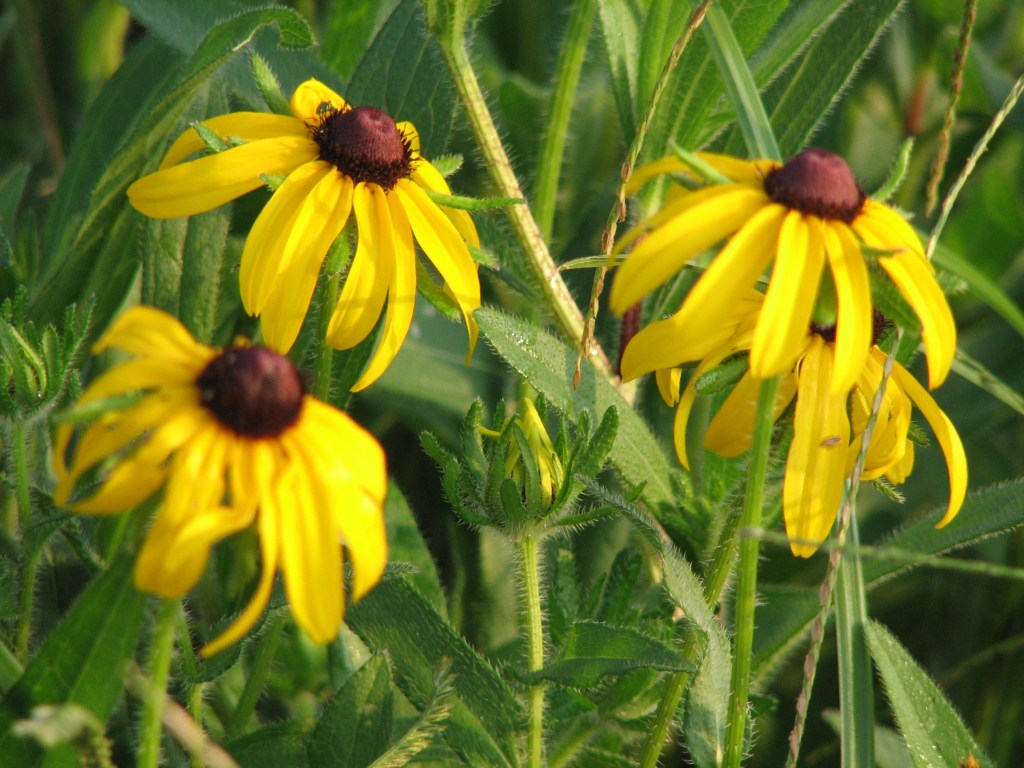
This post was originally published on February 14, 2012, on my blog “Pollinators Info” (no longer online). Use natives Pollinators get the most benefit from native plants, no matter where you live. There’s a lot of research to back this up; native plants are better for pollinators than non-natives. Here are a few reasons why:…
-
Take Action to Help Pollinators #5

This post was originally published on January 7, 2012, on my blog “Pollinators Info” (no longer online). Use native grasses You might not have thought about using grasses to help pollinators, but they’re great for several reasons: They’re part of your local ecology and adding them to your garden brings you one step closer to…
-
“Understand” is Not a Good Verb for Learning Objectives

The verb “understand” is commonly used by well-meaning instructors as part of Learning Objectives (LOs) or course objectives. What’s the problem with it? It’s not measurable Think about it: what assessment could you use to determine whether your learners understand something? It’s a great verb for talking about learning, but it’s too fuzzy to be…
-
Take Action to Help Pollinators #4
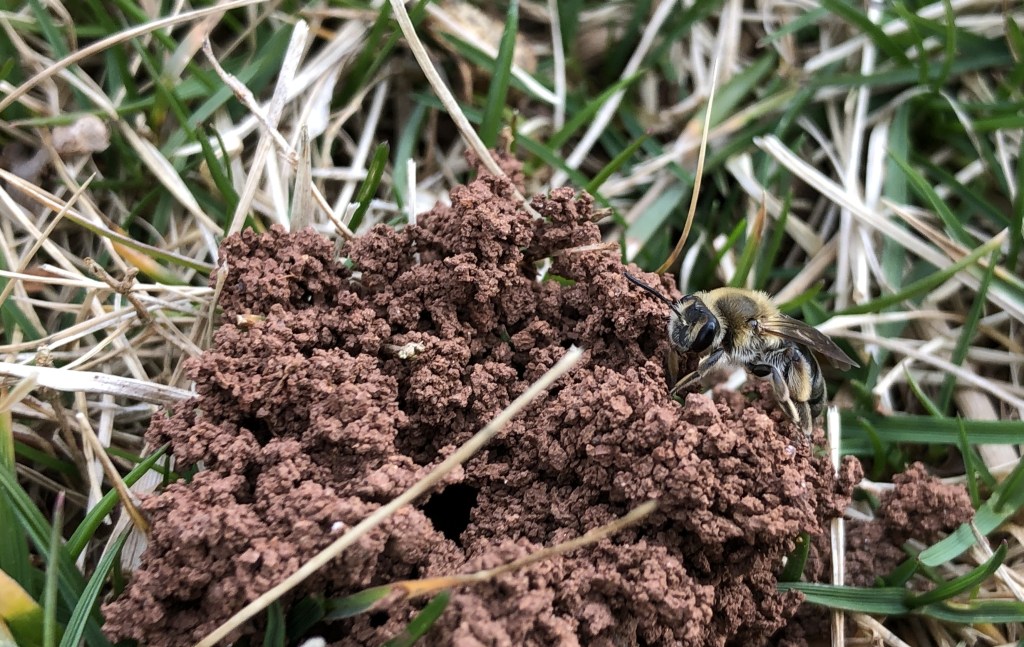
This post was originally published on November 23, 2011, on my blog “Pollinators Info” (no longer online). Don’t mulch More bees nest in the ground than anywhere else. These bees need bare patches so they can dig their nest tunnels. Unfortunately, adding mulch on top of these areas prevents bees from being able to nest…
-
Take Action to Help Pollinators #3
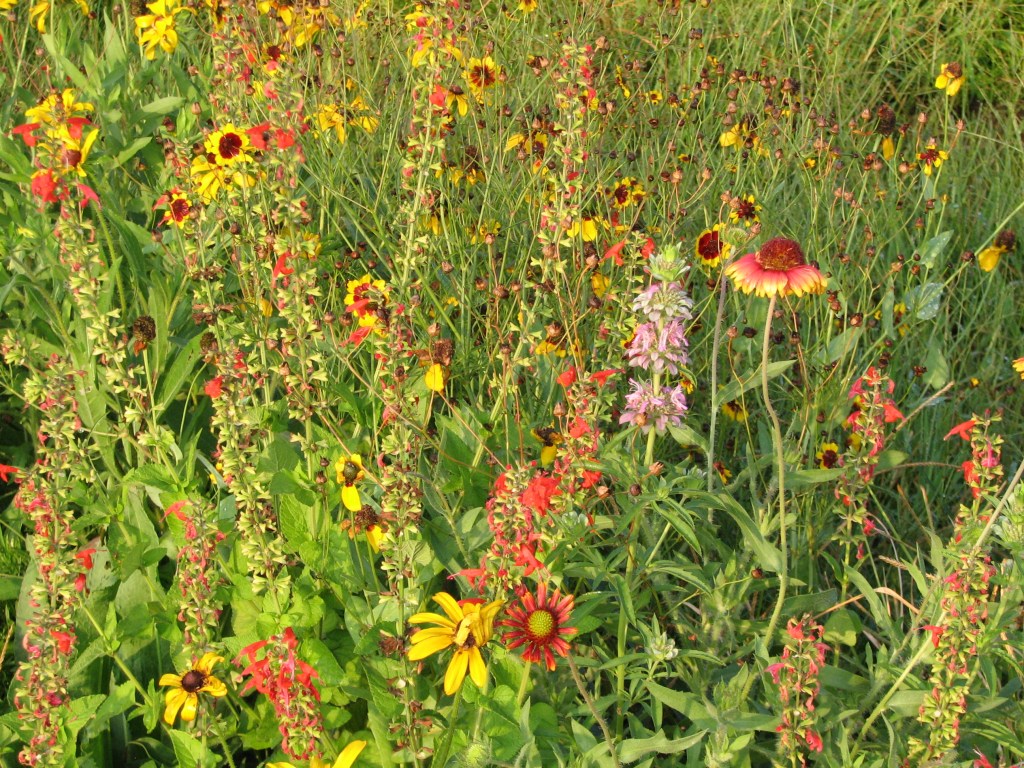
This post was originally published on October 18, 2011, on my blog “Pollinators Info” (no longer online). Keep something blooming One of the best ways you can help pollinators is to feed them during the entire blooming season. When choosing plants for your garden, make sure something is always in bloom from one week to…
-
Take Action to Help Pollinators #2
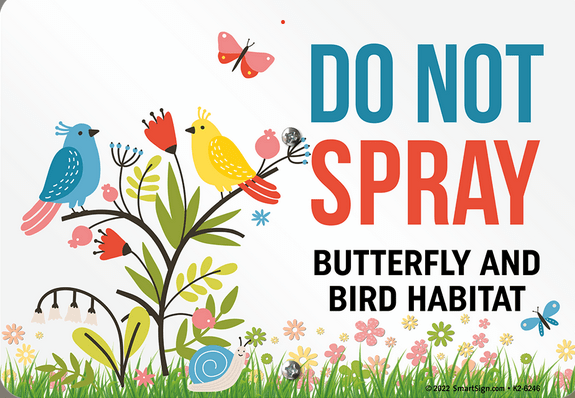
This post was originally published on August 9, 2011, on my blog “Pollinators Info” (no longer online). Minimize pesticide use Pesticides kill all kinds of insects, not just the ones you don’t want to see anymore. Consider the following ideas: Allowing your leaves to be munched a little – most native leaf-eaters don’t kill native…

