-
Take Action to Help Pollinators #2
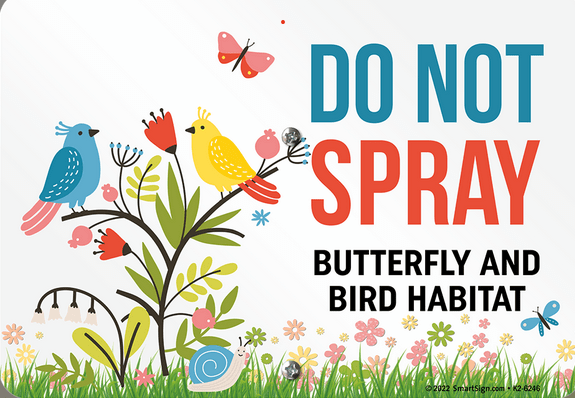
This post was originally published on August 9, 2011, on my blog “Pollinators Info” (no longer online). Minimize pesticide use Pesticides kill all kinds of insects, not just the ones you don’t want to see anymore. Consider the following ideas: Allowing your leaves to be munched a little – most native leaf-eaters don’t kill native…
-
Take Action to Help Pollinators #1

This post was originally published on July 16, 2011, on my blog “Pollinators Info” (no longer online). Start a pollinator garden plot Here’s an example of how to create one that looks similar to mine in the featured image. You’ll need the following: 2″ x 4″ lumber sections to frame your plot. Start small, with…
-
Pollinators in Georgia: Hummingbirds

This post is part of an article I submitted for publication with a Georgia magazine called “Coastscapes” in 2010-2012. I’ve been unable to find this magazine online, but want to share the content for your educational enjoyment. The magazine was geared towards the general public, so there are no references to research articles. Feel free…
-
Pollinators in Georgia: Flies

This post is part of an article I submitted for publication with a Georgia magazine called “Coastscapes” in 2010-2012. I’ve been unable to find this magazine online, but want to share the content for your educational enjoyment. The magazine was geared towards the general public, so there are no references to research articles. Feel free…
-
National Pollinator Week

National Pollinator Week is an initiative of Pollinator Partnership (P2), a nonprofit organization dedicated to pollinator conservation. It occurs in the third week of June every year and, as of 2016, all 50 states in the United States have gotten on board with this effort. I’m excited about this, because it demonstrates a commitment to…
-
Killer Bees: Your Questions Answered

I wrote this informative booklet in 2011 when there was a lot of fear about African honeybees spreading in the United States. Climate change is likely to allow feral African honeybee colonies to increase their range in the U.S., so an understanding of these bees and their behavior could become increasingly relevant in the southern…
-
Pollinators in Georgia: Beetles

This post is part of an article I submitted for publication with a Georgia magazine called “Coastscapes” in 2010-2012. I’ve been unable to find this magazine online, but want to share the content for your educational enjoyment. The magazine was geared towards the general public, so there are no references to research articles. Feel free…
-
4 Tips to Help Pollinators from Your Home in the City
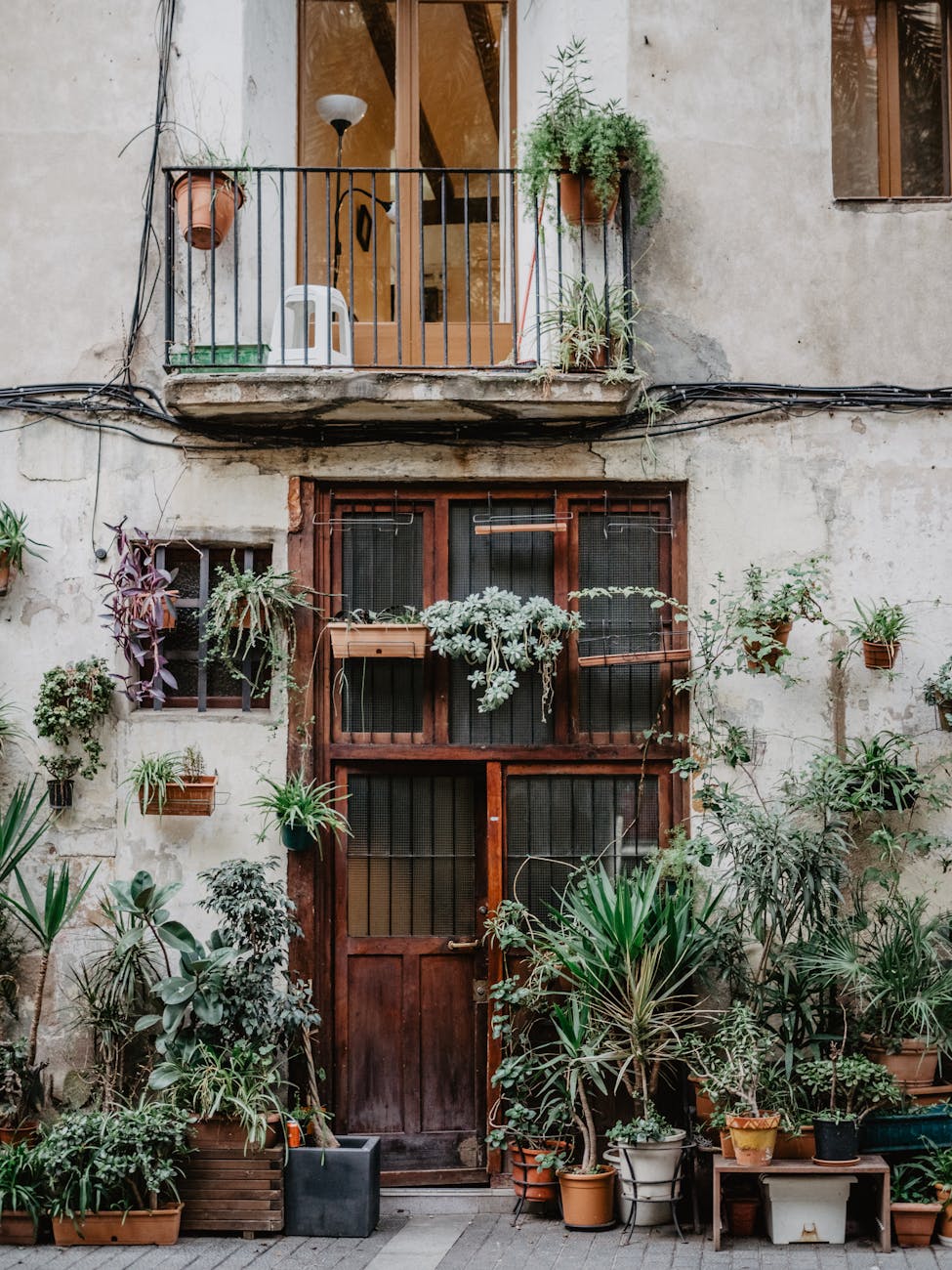
This post was originally published on August 8, 2011, on my blog “Pollinators Info” (no longer online). If you have as little as a windowsill on which to hang a planter, you’re off to a good start! Select a low-growing plant native to your region so it won’t get too large and heavy for the…
-
Top 5 Ways to Help Pollinators

This post was originally published on September 9, 2011, on my blog “Pollinators Info” (no longer online). Want to help conserve pollinators but don’t know where to start? Here are some ideas: Reduce or eliminate pesticide use on your property. These chemicals aren’t insect-specific, which means they can kill many species, or reduce their ability…
-
Pollinators in Georgia: Butterflies & Moths
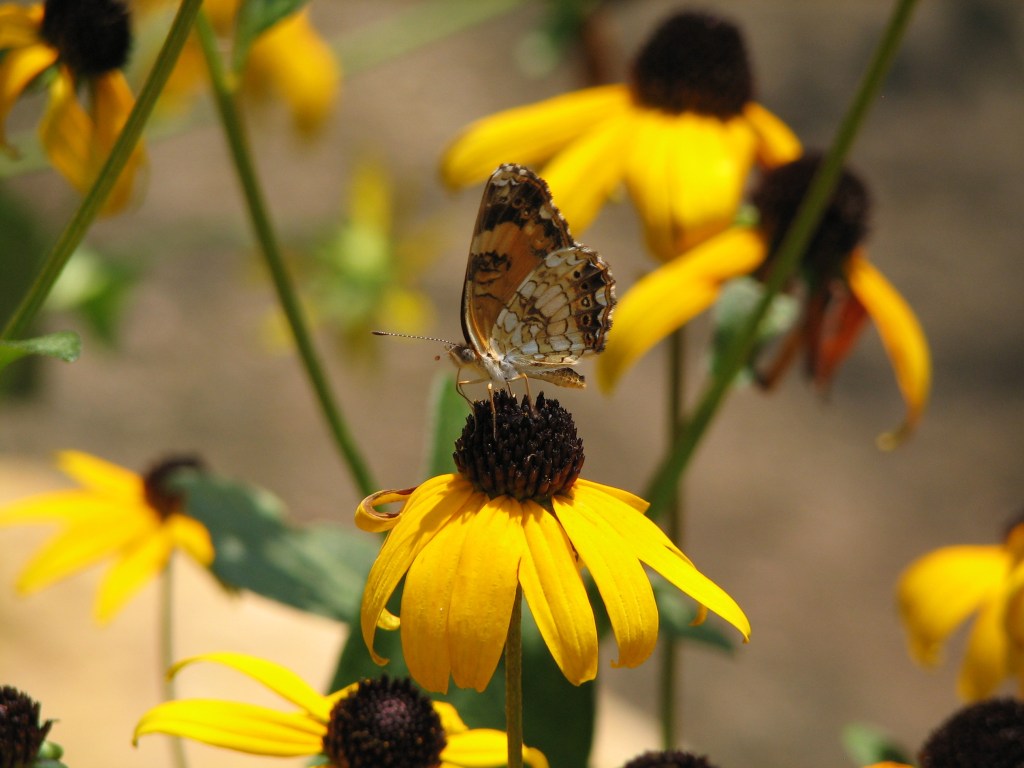
This post is part of an article I submitted for publication with a Georgia magazine called “Coastscapes” in 2010-2012. I’ve been unable to find this magazine online, but want to share the content for your educational enjoyment. The magazine was geared towards the general public, so there are no references to research articles. Feel free…

