-
Bats as Pollinators
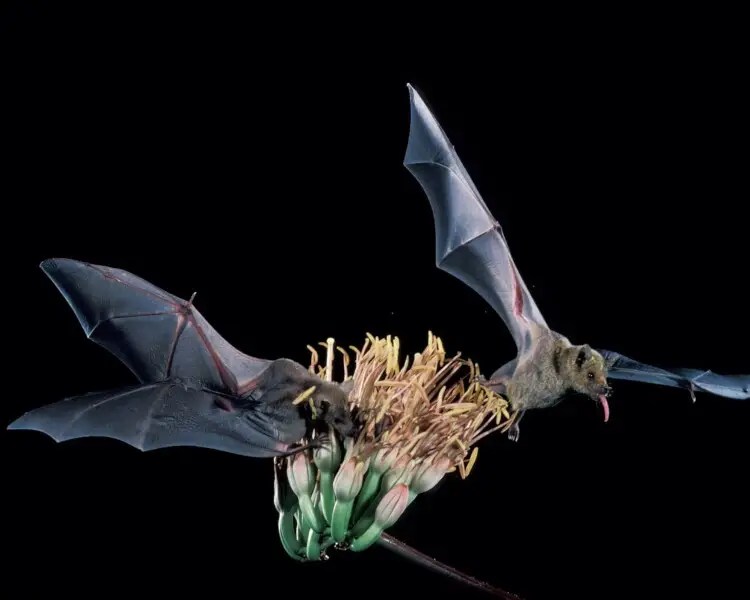
This content is from a post originally published on May 15, 2011, on my blog “Pollinators Info” (no longer online). Bats are amazing little mammals! Unfortunately they’ve gotten a bad wrap due to myth and media. One common misconception is that they’re rats with wings… they’re not! Bats are in the Order Chiroptera, while rats…
-
Hummingbirds as Pollinators

This content is from a post originally published on May 15, 2011, on my blog “Pollinators Info” (no longer online). These little flying dynamos are so much fun to watch. For some plants, they are the most important pollinators. Hummingbirds tend to prefer to drink nectar from tubular flowers, especially those red in color. In…
-
Butterflies as Pollinators
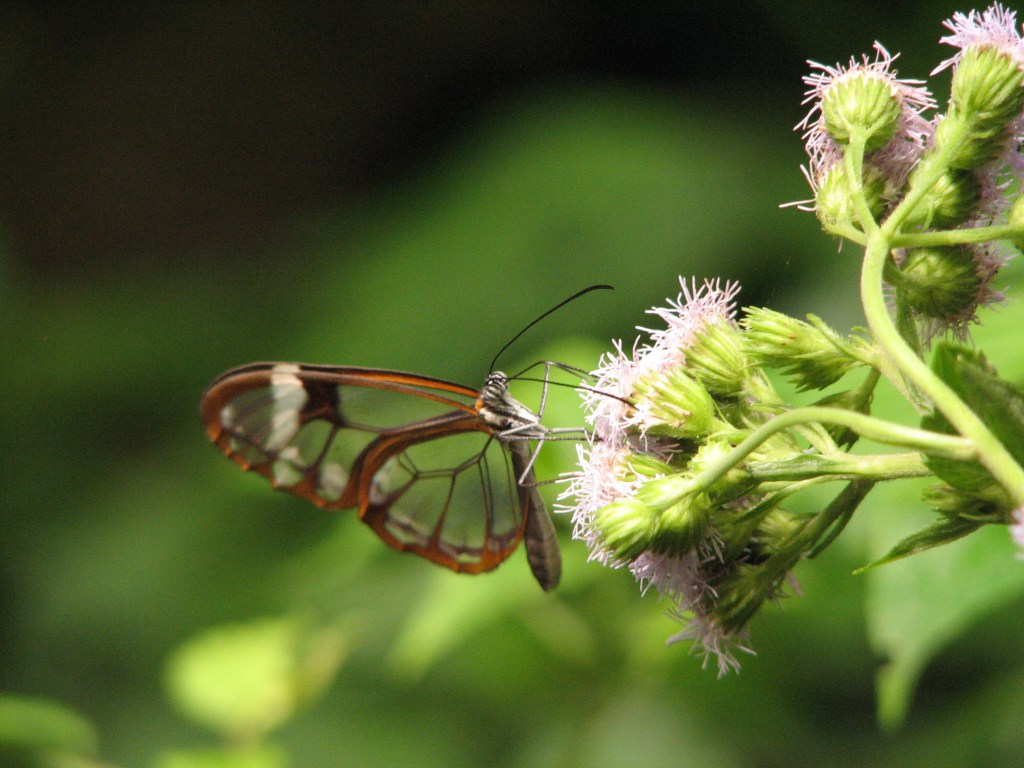
This content is from a post originally published on May 15, 2011, on my blog “Pollinators Info” (no longer online). Butterflies are some of the most conspicuous flower visitors. With their appealing color patterns, fluttery flight, and harmless nature (the adults can’t bite or sting), they have been favorites of naturalists for centuries. While generally…
-
Bees as Pollinators
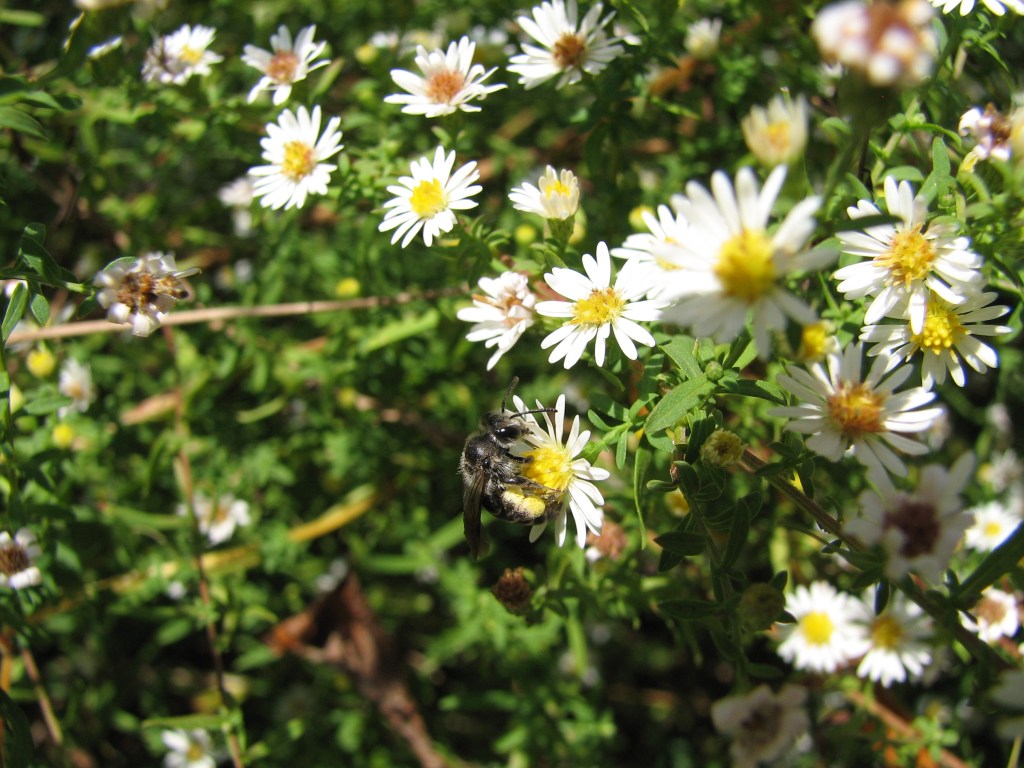
This content is from a post originally published on May 17, 2011, on my blog “Pollinators Info” (no longer online). Bees are the pollinator champions! Every third bite of food you eat is made possible by bees. Here’s why: Bees are entirely dependent on nectar and pollen for food in all stages of their lives.…
-
Honeycreepers as Pollinators

This content is from a post originally published on May 29, 2011, on my blog “Pollinators Info” (no longer online). Honeycreepers are an important group of bird pollinators endemic to Hawai’i. They represent an outstanding example of coevolution between pollinators and flowers. Honeycreepers typically have beaks curved to some degree, and the curvature matches closely…
-
Small Mammals as Pollinators
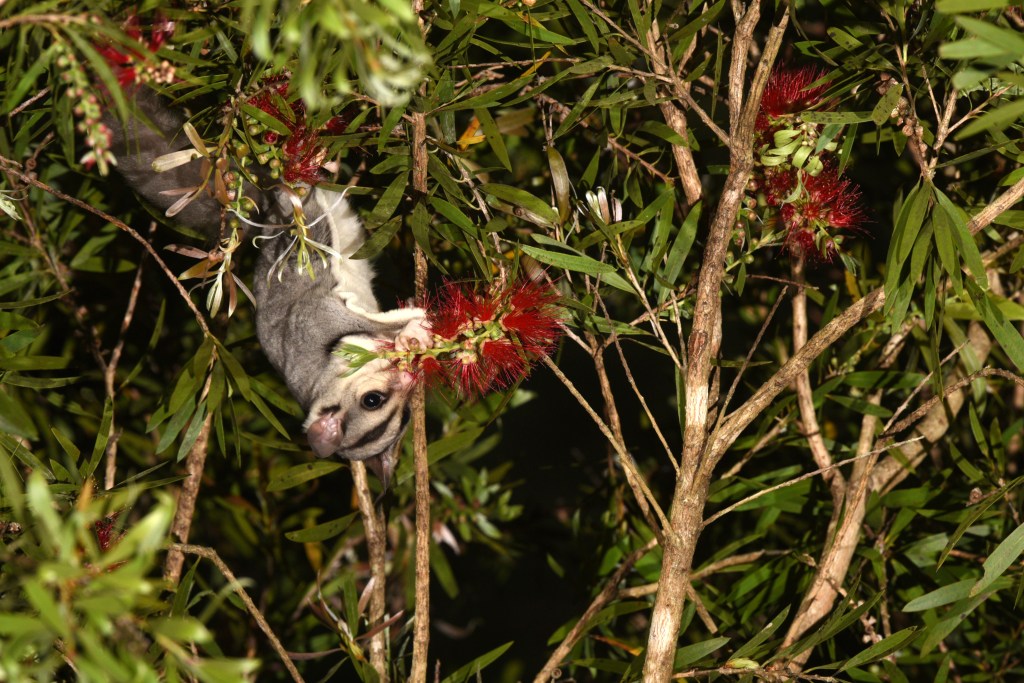
This content is from posts originally published on May 15 and May 29, 2011, on my blog “Pollinators Info” (no longer online). Small mammal pollination isn’t globally common, but is an important component of some ecological communities. For example, marsupials like sugar gliders and honey possums are pollinators in Australia. These little mammals climb on…
-
Pollination Syndromes: Bats

This post is based on one that was originally published on May 22, 2011, on my blog “Pollinators Info” (no longer online). The bat pollination syndrome is similar to that of nocturnal moth pollinators. Flowers pollinated by bats are usually open at night and are pale and sweet-smelling. One major difference is size; bat-pollinated flowers…
-
Pollination Syndromes: Moths

This post is based on one that was originally published on May 22, 2011, on my blog “Pollinators Info” (no longer online). This photo shows a hummingbird clearwing moth pollinating phlox in daylight. Flowers pollinated by diurnal moth species generally fit the butterfly pollination syndrome: they open in the daytime and often have corolla tubes…
-
Pollination Syndromes: Flies

This post is based on one that was originally published on May 22, 2011, on my blog “Pollinators Info” (no longer online). The featured photo is of a fly, mimicking the coloration of a wasp or bee. It also has a habit of hovering before landing, hence its common name, “hover-fly.” This one is shown…
-
Pollination Syndromes: Butterflies

This post is based on one that was originally published on May 18, 2011, on my blog “Pollinators Info” (no longer online). The butterfly pollination syndrome includes flowers that open in daylight (diurnal) and have a place for the insect to land while it probes the flower for nectar. Butterflies are not good at hovering,…

