-
Pollination Syndromes: Bees

This post is based on one that was originally published on May 18, 2011, on my blog “Pollinators Info” (no longer online). The bee pollination syndrome includes flowers that are usually white, yellow, blue, and / or purple in color. Bees can’t see red, but that doesn’t mean they don’t visit red flowers. I shot…
-
Pollination Syndromes: Hummingbirds

This post is based on one that was originally published on May 18, 2011, on my blog “Pollinators Info” (no longer online). The hummingbird pollination syndrome usually includes flowers that are open in the day, tubular, and red or orange in color. There are many examples of coevolution between hummingbirds and the plants they pollinate.…
-
Pollination Syndromes: Beetles
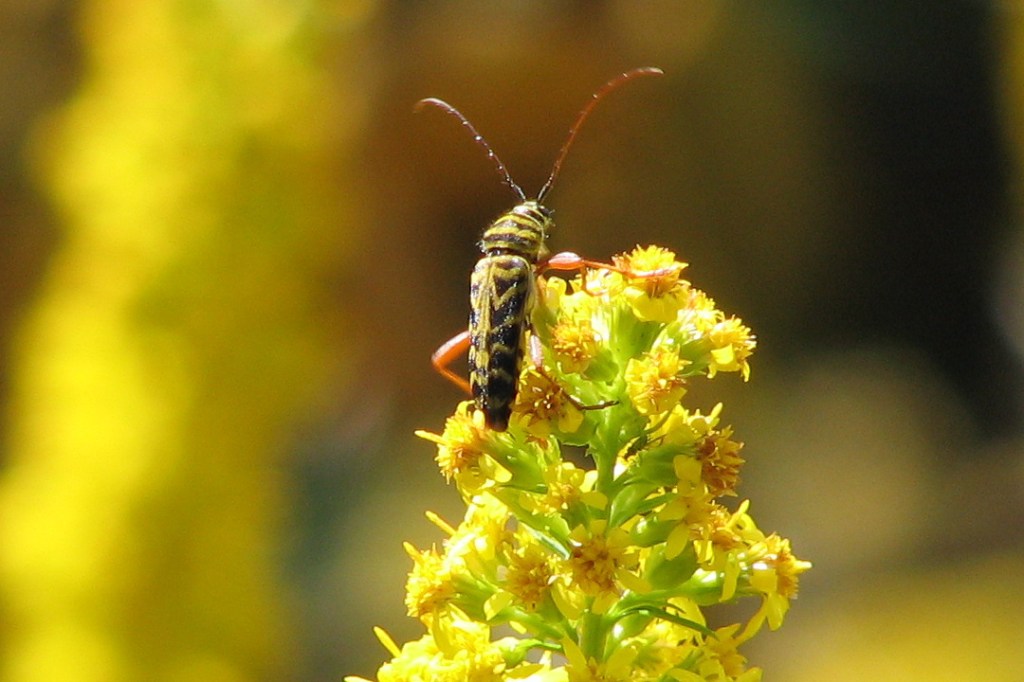
This post is based on one that was originally published on May 15, 2011, on my blog “Pollinators Info” (no longer online). Beetle pollination is thought to have evolved with some of the first flowering plants. Beetles are messy, destructive pollinators, munching their way through all flower structures. They also defecate, mate, and lay eggs…
-
Pollination Syndromes

Part of this post was originally published in May 15, 2011, on my blog “Pollinators Info” (no longer online). The idea of pollination syndromes has been around for a long time, predicting that plants with certain characteristics are pollinated by certain animals. When we look at flower color, scent, structure, and the time of day…
-
Pollination Types: Animal
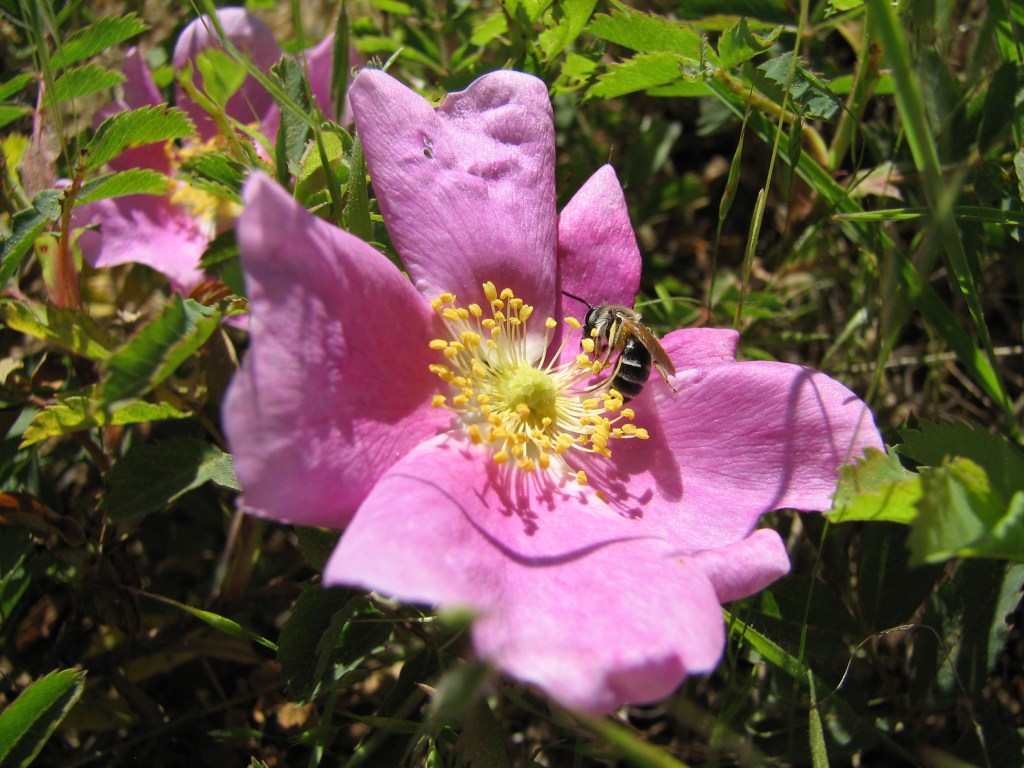
Animal pollination is the most recently evolved of the three pollination types (water and wind are the others). Fossil evidence suggests animal pollination evolved in the early Cretaceous, about 145 million years ago, alongside the evolution of flowering plants (angiosperms). In animal pollination, an animal moves pollen from the male flower organs to the female…
-
Pollination Types: Wind
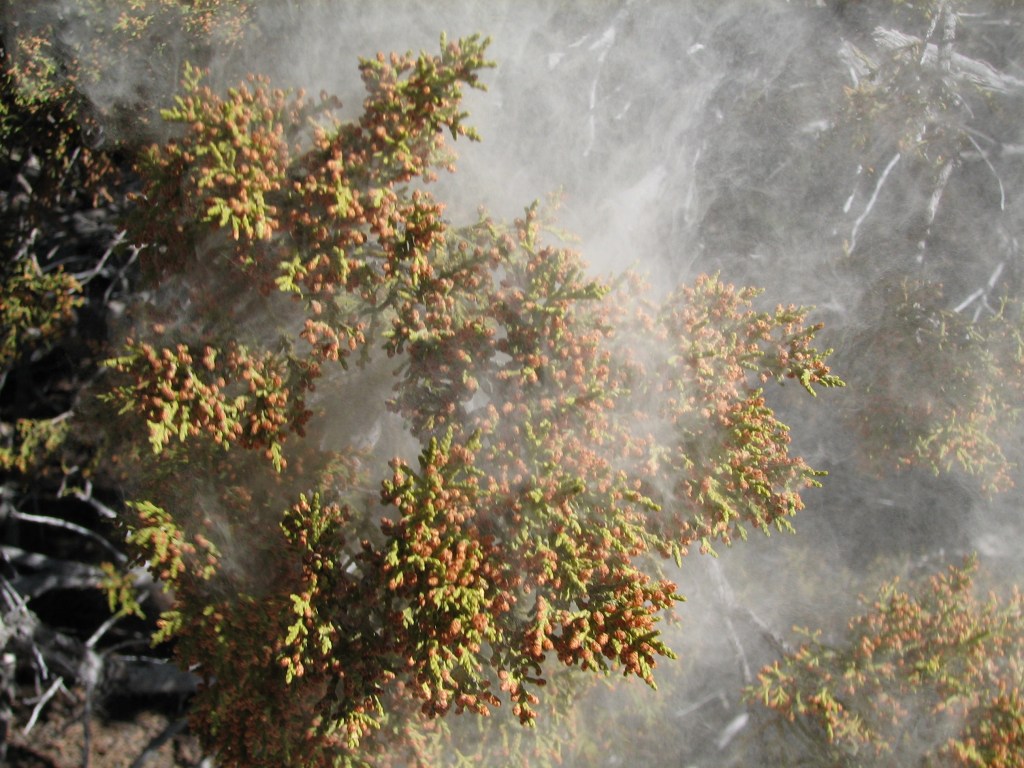
This post is based on one that was originally published on May 15, 2011, on my blog “Pollinators Info” (no longer online). No animals required! Wind pollination is another ancient type, demonstrated by the male juniper cones in the featured image (the white cloud is pollen). Plants pollinated by wind typically have no flowers, or…
-
Pollination Types: Water

This post is based on one that was originally published in May 15, 2011, on my blog “Pollinators Info” (no longer online). No animals required! Water pollination is the most ancient (evolved earliest) type, found among aquatic plants and those that live in moist environments. The sperm and eggs of plants like the mosses in…
-
Pollinators Need Water, Too!

This post was originally published in July 2, 2011, on my blog “Pollinators Info” (no longer online). Many people like seeing birds bathing in their yard- I know I do! It tickles me to death to see them flapping and splashing in my two little birdbaths. What you might not know is that other wildlife…
-
Stem-Nesting Pollinators
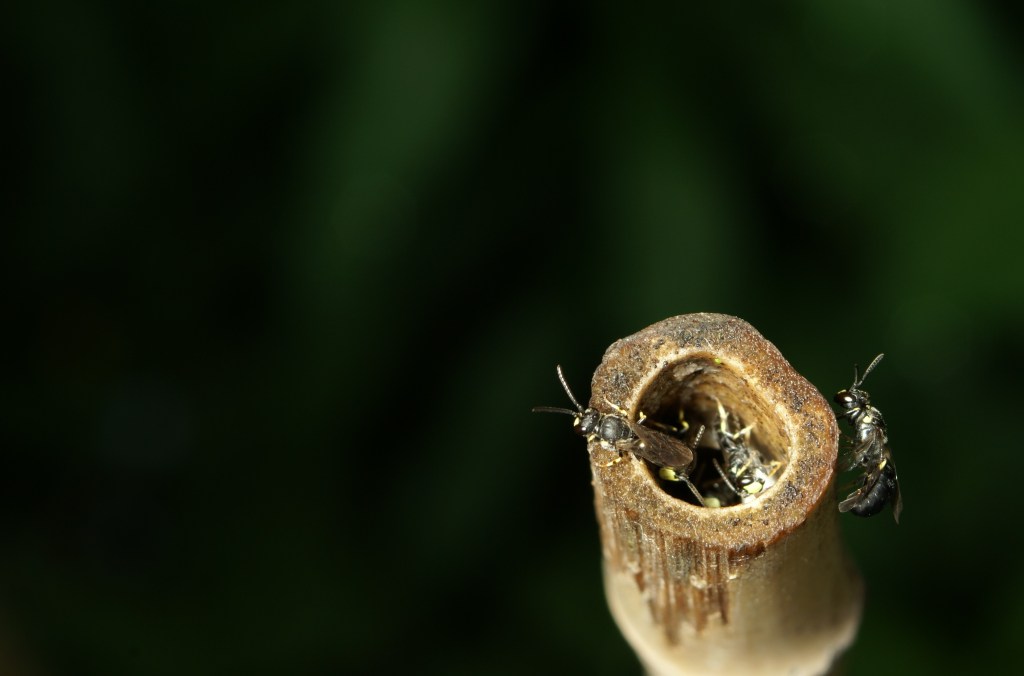
This post was originally published in June 21, 2011, on my blog “Pollinators Info” (no longer online). I just discovered that I have something(s) nesting in my bee condos! I call them bee condos because they’re made for orchard mason bees, leaf-cutter bees, and similar bees that nest in stems in the wild. And they’re…
-
Which Colors Attract Which Pollinators?

This post was originally published in February 24, 2012, on my blog “Pollinators Info” (no longer online). It turns out, it’s more complicated than we used to think. The idea of pollination syndromes came about decades ago, and suggested that there were set characteristics among flowers that attracted certain pollinators. This is useful when you’re…

