-
SHARE for Pollinators

This content is based on a post originally published on July 29, 2012, on my blog “Pollinators Info” (no longer online). SHARE stands for Simply Have Areas Reserved for the Environment, and is a program from the Pollinator Partnership (P2). This is a neat idea that encourages everyone to have even a small area on…
-
Non-Native Plants for Pollinators

This content is based on a post originally published on June 9, 2011, on my blog “Pollinators Info” (no longer online). I have trouble with this one. I prefer to grow native plants (or try to) in my pollinator garden, because research shows that pollinators do best with plants native to their area. But what…
-
Gardening for Pollinators
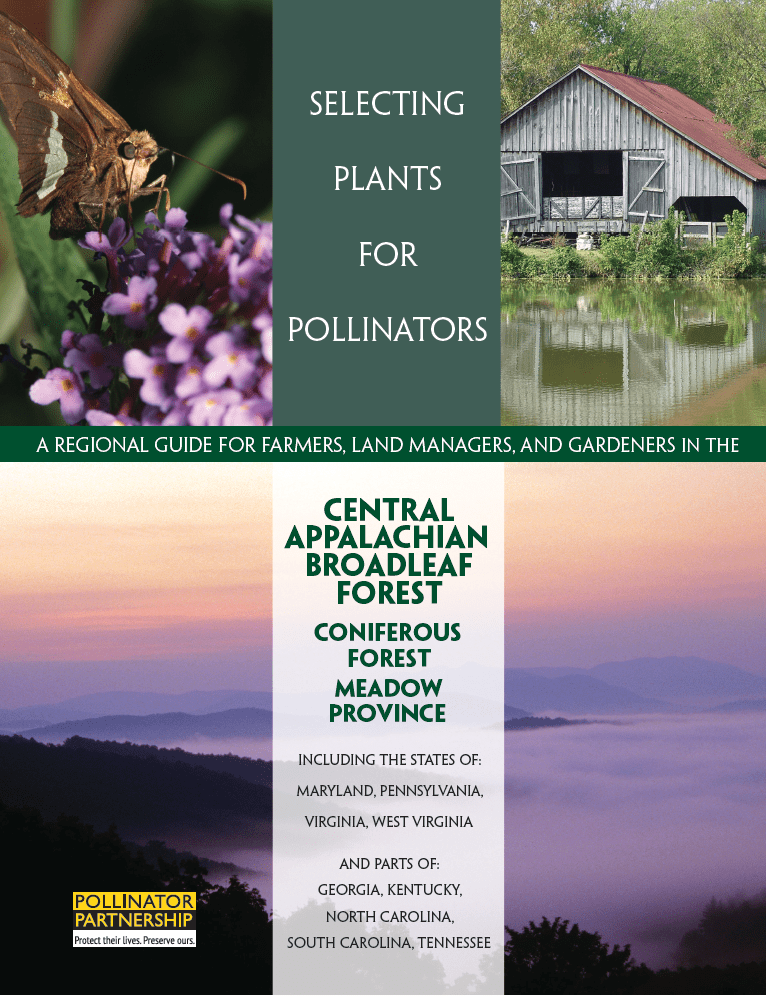
This content is based on a post originally published on May 14, 2011, on my blog “Pollinators Info” (no longer online). Interested in creating a pollinator garden, but not sure where to start? The Pollinator Partnership Ecoregional Planting Guides are great! Click on the link, enter you zipcode, and the appropriate guide appears as a…
-
Bumble Bee or Carpenter Bee?

This content is based on a post originally published on May 29, 2011, on my blog “Pollinators Info” (no longer online). In much of North America, this is a common question. Bumble bees and carpenter bees have very similar black-and-yellow color patterns, and are both large and robust. What difference does it make if you…
-
Carpenter Bees Nesting in Your Walls?

This content is based on a post originally published on May 29, 2011, on my blog “Pollinators Info” (no longer online). Carpenter bees themselves are rarely a problem because they aren’t aggressive. If you’re seeing large black-and-yellow bees buzzing around and coming in and out of holes in your wooden walls or furniture, they are…
-
Nests in the Ground?
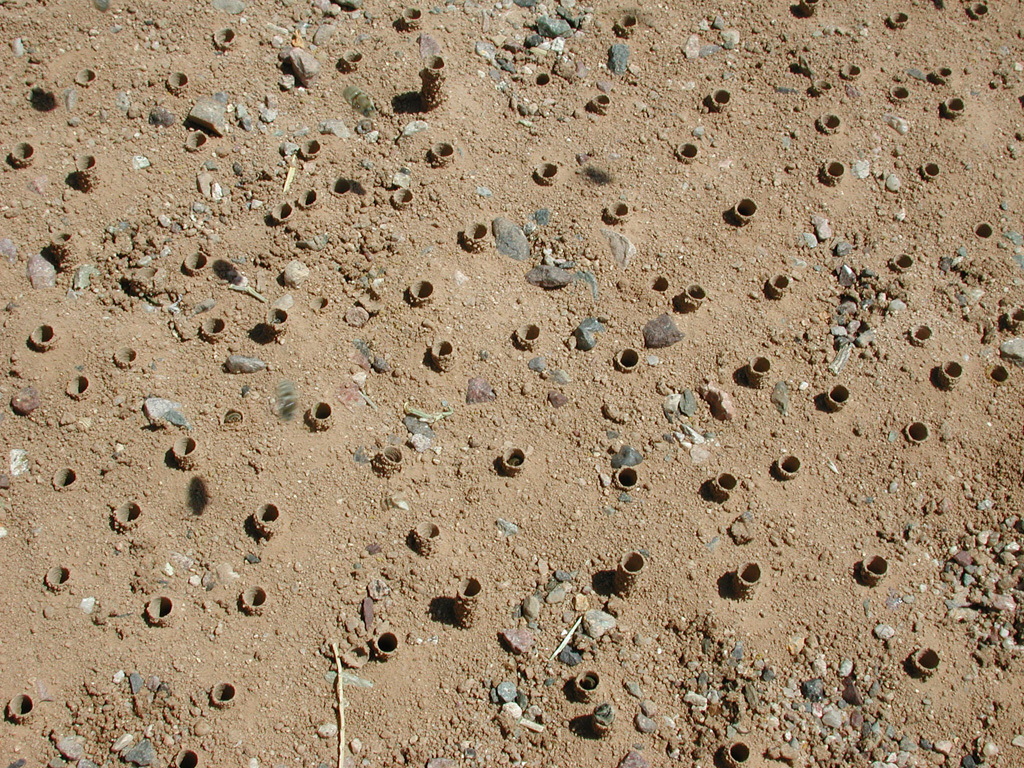
This content is based on a post originally published on June 4, 2011, on my blog “Pollinators Info” (no longer online). I’ve had several emails from concerned folks who describe tens or hundreds of “yellow jacket” nests in their yard. It’s always a pleasure to tell them that yellow jacket wasps don’t nest that way,…
-
What are Pollinia?

This content is based on a post originally published on July 23, 2011, on my blog “Pollinators Info” (no longer online). The fly in this photo is carrying pollinia on its right middle leg- they’re the orange things at the black arrow. The wasp in the featured image has pollinia stuck to two of its…
-
How to “Get Some” if You’re a Male Carpenter Bee
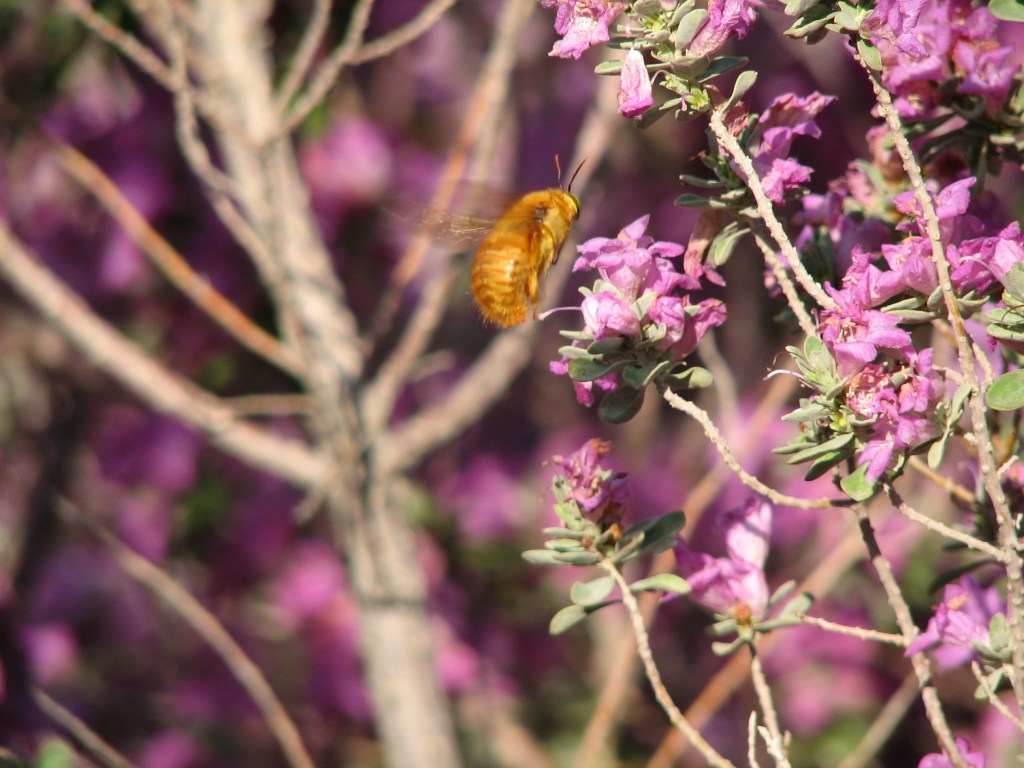
This content is based on a post originally published on July 26, 2011, on my blog “Pollinators Info” (no longer online). Meet the Valley Carpenter Bee, Xylocopa varipuncta. I fell for these bees while visiting El Paso, Texas, USA. What just tickled me was that the males are golden-brown with green eyes! I stood near…
-
What if There Were No Bees?

This content is based on a post originally published on August 16, 2011, on my blog “Pollinators Info” (no longer online). Someone asked me this question recently, so I thought I’d do a post about it. With all the publicity about honey bee declines, people are wondering what would happen if all the bees were…
-
Nectar Corridors

This content is based on a post originally published on February 17, 2012, on my blog “Pollinators Info” (no longer online). What’s a nectar corridor, you might be wondering? This is the term applied to a route used by migratory pollinators, along which they travel yearly to feed and reproduce. There are migratory pollinators all…

