-
Small Mammals as Pollinators
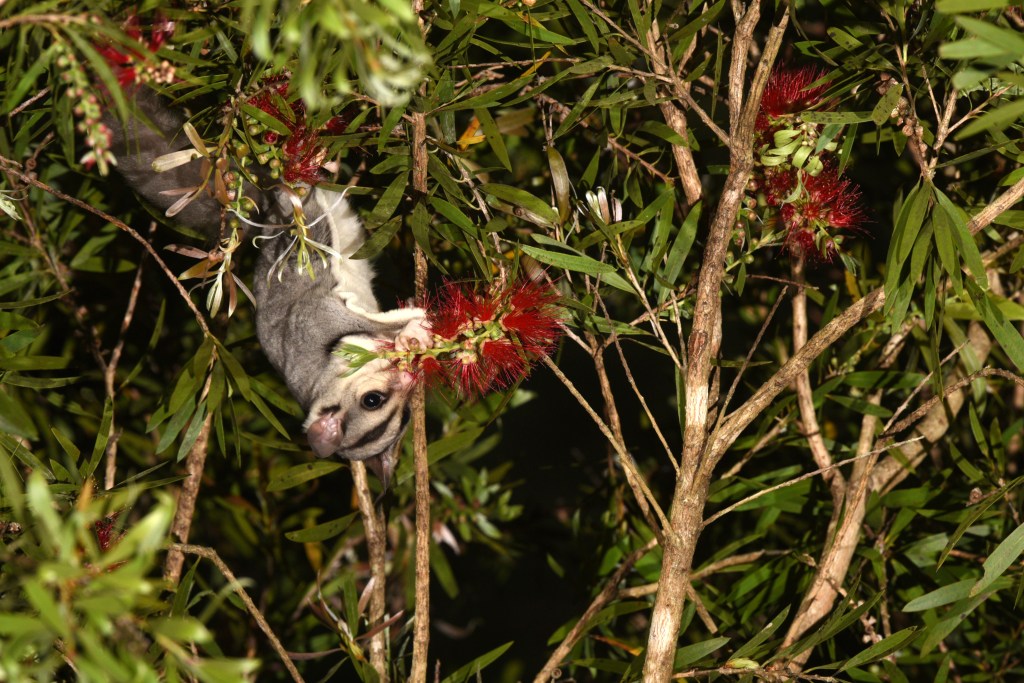
This content is from posts originally published on May 15 and May 29, 2011, on my blog “Pollinators Info” (no longer online). Small mammal pollination isn’t globally common, but is an important component of some ecological communities. For example, marsupials like sugar gliders and honey possums are pollinators in Australia. These little mammals climb on…
-
Pollination Syndromes: Bats

This post is based on one that was originally published on May 22, 2011, on my blog “Pollinators Info” (no longer online). The bat pollination syndrome is similar to that of nocturnal moth pollinators. Flowers pollinated by bats are usually open at night and are pale and sweet-smelling. One major difference is size; bat-pollinated flowers…
-
Pollination Syndromes: Moths

This post is based on one that was originally published on May 22, 2011, on my blog “Pollinators Info” (no longer online). This photo shows a hummingbird clearwing moth pollinating phlox in daylight. Flowers pollinated by diurnal moth species generally fit the butterfly pollination syndrome: they open in the daytime and often have corolla tubes…
-
Pollination Syndromes: Flies

This post is based on one that was originally published on May 22, 2011, on my blog “Pollinators Info” (no longer online). The featured photo is of a fly, mimicking the coloration of a wasp or bee. It also has a habit of hovering before landing, hence its common name, “hover-fly.” This one is shown…
-
Pollination Syndromes: Butterflies

This post is based on one that was originally published on May 18, 2011, on my blog “Pollinators Info” (no longer online). The butterfly pollination syndrome includes flowers that open in daylight (diurnal) and have a place for the insect to land while it probes the flower for nectar. Butterflies are not good at hovering,…
-
Pollination Syndromes: Bees

This post is based on one that was originally published on May 18, 2011, on my blog “Pollinators Info” (no longer online). The bee pollination syndrome includes flowers that are usually white, yellow, blue, and / or purple in color. Bees can’t see red, but that doesn’t mean they don’t visit red flowers. I shot…
-
Pollination Syndromes: Hummingbirds

This post is based on one that was originally published on May 18, 2011, on my blog “Pollinators Info” (no longer online). The hummingbird pollination syndrome usually includes flowers that are open in the day, tubular, and red or orange in color. There are many examples of coevolution between hummingbirds and the plants they pollinate.…
-
Pollination Syndromes: Beetles
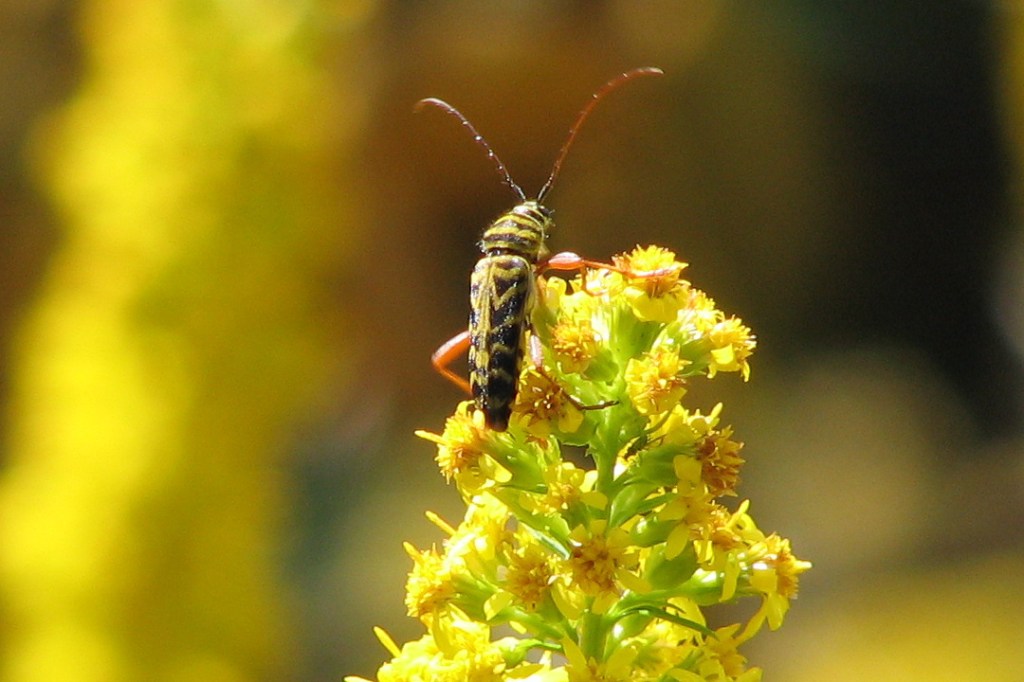
This post is based on one that was originally published on May 15, 2011, on my blog “Pollinators Info” (no longer online). Beetle pollination is thought to have evolved with some of the first flowering plants. Beetles are messy, destructive pollinators, munching their way through all flower structures. They also defecate, mate, and lay eggs…
-
Pollination Syndromes

Part of this post was originally published in May 15, 2011, on my blog “Pollinators Info” (no longer online). The idea of pollination syndromes has been around for a long time, predicting that plants with certain characteristics are pollinated by certain animals. When we look at flower color, scent, structure, and the time of day…
-
Pollination Types: Animal
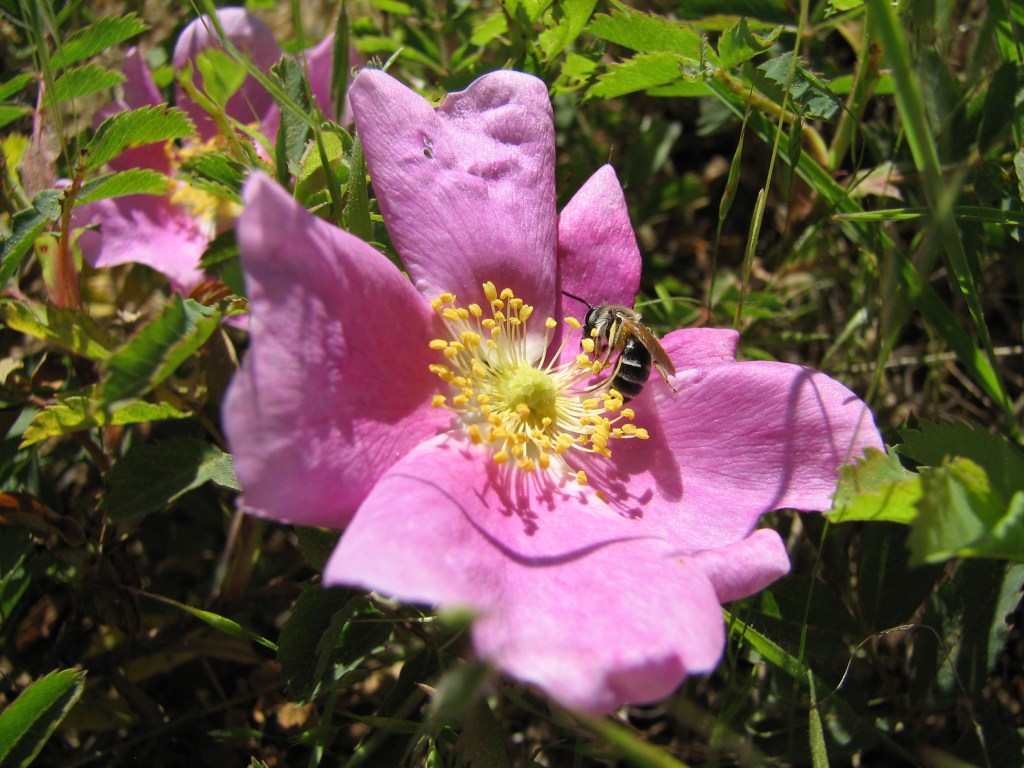
Animal pollination is the most recently evolved of the three pollination types (water and wind are the others). Fossil evidence suggests animal pollination evolved in the early Cretaceous, about 145 million years ago, alongside the evolution of flowering plants (angiosperms). In animal pollination, an animal moves pollen from the male flower organs to the female…
 Athena Rayne Anderson