
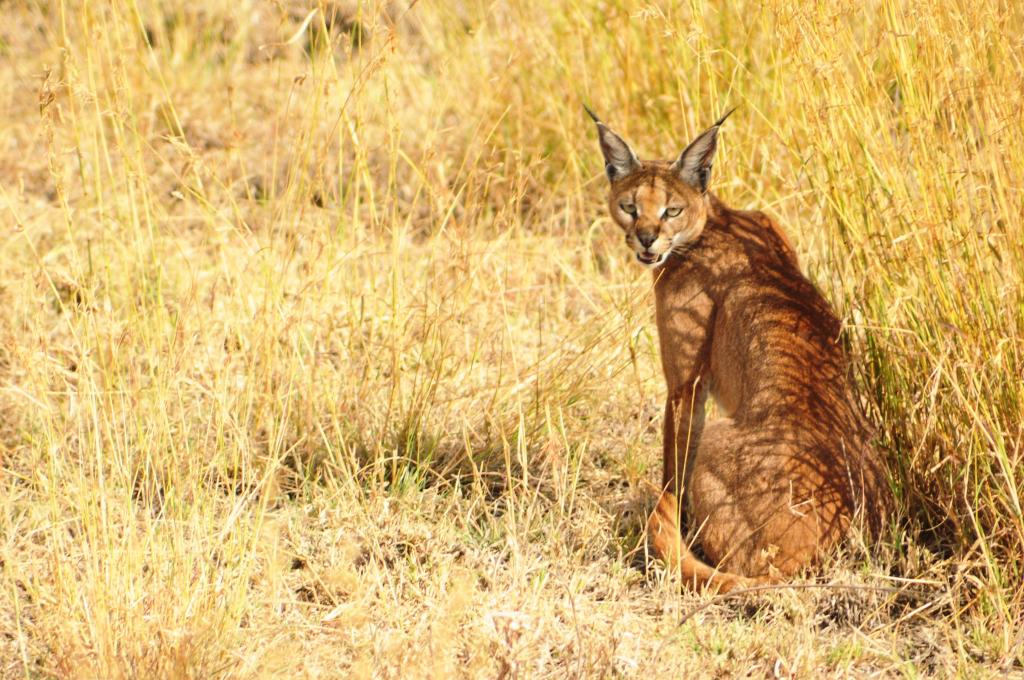
CQ Knowledge includes your understanding of cultural affects on human behavior and thought, as well as how cultures are alike and different. One of the goals of the CQ Safari Learning Journey is that we see how our work in CQ parallels natural processes. We want to pause the hectic pace of our lives to connect with the natural world and honor its lessons.
There’s no evidence of non-human animals having all three components of culture: shared values, beliefs, and norms. However, there are many species that live in social groups with behavioral norms. There are also many examples of both social and solitary species capable of learning. Knowledge comes from an accumulation of learning experiences. Let’s explore examples of knowledge among some of South Africa’s iconic wildlife, which you might encounter on the CQ Safari Learning Journey.
Baboons
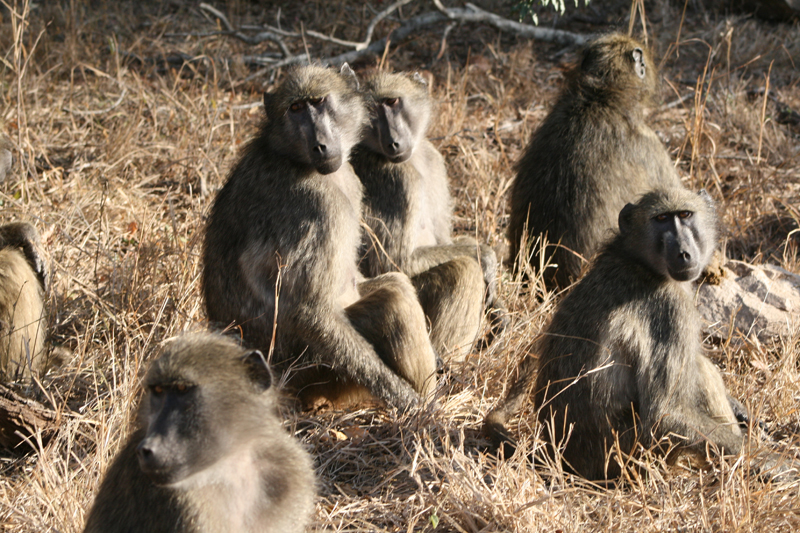
Baboons, like most primates, live in complex social groups with behavioral norms. Young baboons must acquire communication and life skills by interacting with others.
Aggression is common among both males and females. Males fight for rank frequently and a single alpha enjoys the most privileges of all troupe members. He eats, mates, and is groomed by others first. Females have their own hierarchy that is also established through aggression. Both sexes form alliances with other troupe members and these bonds are maintained by mutual grooming, defending each other in aggressive encounters, and communication signals. Low-ranking individuals of both sexes are commonly malnourished and suffer more from disease and parasites. Each baboon holds a vast store of knowledge about social structure and communication, which helps them stay as safe and healthy as possible. Where do you see parallels between baboon knowledge and your own? All human cultures have social structures that are affected by the environment. For example, cultures tend to be more egalitarian where they evolved in environments with abundant resources. Consider how resource availability in human cultures, like for groups of baboons, affects knowledge of how to stay safe and healthy.
Zebra
Zebra are members of the horse family and have a social structure and a set of normal behaviors. An individual’s place in the herd and the appropriate ways of interacting with others are learned as foals mature. For example, young males learn to fight for mating privileges from watching stallions and playing with each other. Social bonding behaviors, such as greeting and mutual grooming, are also learned with life experience. Care-giving knowledge, such as guiding the lost back to the group, is learned from older family members. Some zebra have good spatial memory that helps them navigate complicated home ranges. All zebra learn from a young age how to recognize the body language of predators. For instance, they are relaxed but alert when they see a lion lounging in the shade, but will sound the alarm if the lion’s posture changes to one of stalking. In what ways can you see parallels between zebra knowledge and your own, in life as well as in your work in CQ? What behaviors are part of your accumulated cultural knowledge? How do these keep you safe?
Caracal
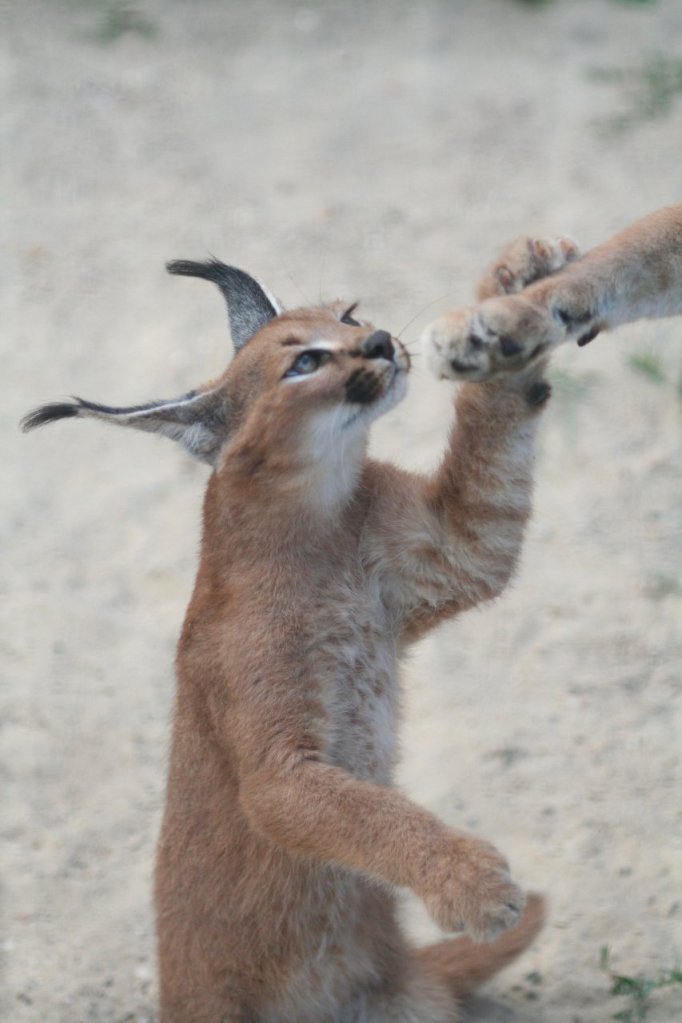
The caracal is a medium-sized wild cat, unique among felines for its very long black ear tufts. Caracals are solitary predators, only interacting with others of their kind during chance encounters, mating season, and while mothers are raising kittens. Young caracals, like the one pictured here, stay with their mothers for nearly a year to learn how to survive.
For example, mothers teach them the array of signals to use with their distinctive ears when interacting with other caracals. She also shows them how and what to hunt, although they’re born with the urge to do so. Caracals are renowned for their ability to jump (over 10 ft. or 3 m.) and swipe birds from the air. While jumping is instinctive, kittens must learn how to make these extraordinary leaps productive. This knowledge is of critical importance for their survival, because hunting success among cat species is rarely above 50%. Caracal knowledge differs from that of zebra and baboons, partly because their social system is far less complex. However, caracals are similar to all animals capable of learning in that a large amount of brain capacity is dedicated to memory for maintaining health.
Summary
Staying safe and healthy occupies a great deal of time and energy for the animals we might encounter on our Journey. Inventions like climate control protect some people from environmental dangers, but others cannot afford these luxuries. In what ways can you identify issues of both physical and emotional safety affecting different cultures? Think about how culture is influenced by resource availability and how that, in turn, influences a person’s knowledge. We’ll explore these and other parallels among human and non-human animal interactions on the CQ Safari Learning Journey.
Caracal featured image copyright Gopal Vijayaraghavan CC BY 2.0
Baboon image copyright flowcomm, CC BY 2.0
Caracal kitten image copyright thy CC BY 2.0


Leave a Reply