
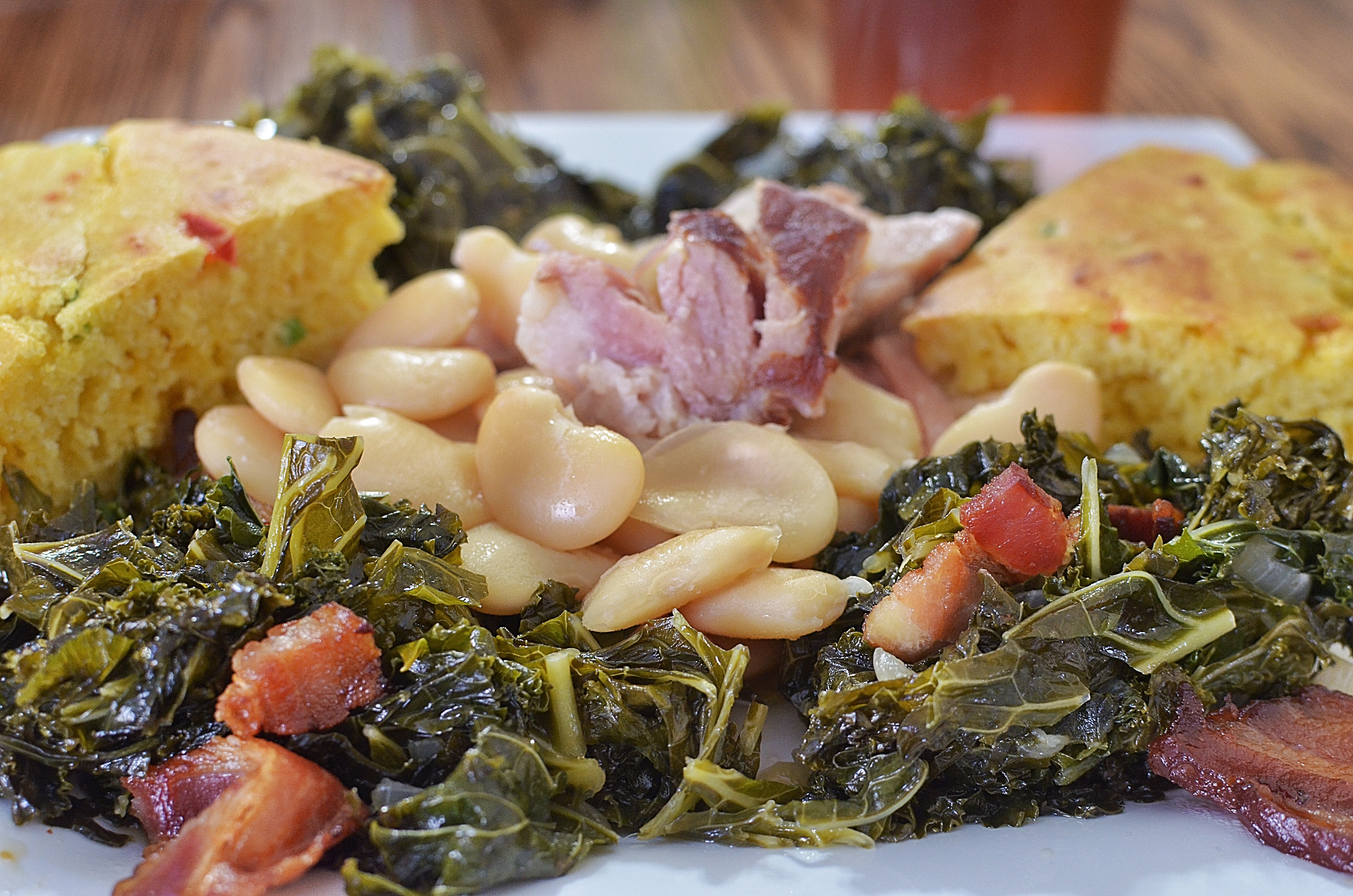
This page is home of the project to create a Museum of Southern Appalachian Foodways (MSAF) in Asheville, North Carolina. If you live in the Southern Appalachian Mountain region, especially near Asheville, please share your thoughts about what you would want in this museum and if you want to join the committee to make it happen: Museum of Southern Appalachian Foodways Project Survey.
Scroll down to view an explanation of why this museum is needed and a draft of it’s mission, scope, and values.
Community Need
Southern Appalachian foodways are diverse, fascinating, and part of our identities. Traditional ways of knowing, growing, harvesting, and preparing foods connect us with our past, the land, and our communities. Native species, heirloom seeds, and heritage livestock breeds have proven records of success flourishing in the region. In spite of all this, an aging population, loss of farmland, rural-to-urban migration, and climate change threaten the region’s food cultures. Our planet is changing rapidly and studying, conserving, and educating people about unique foodways will be critical for the stability of our future food system.
Mission
The Museum of Southern Appalachian Foodways (MSAF) is dedicated to the conservation of, research on, and education about the foodways of the Southern Appalachian region.
Scope
The mission of MSAF incorporates all the food-related decisions people of the region have made in the past, are making now, and will make in the future. In short, we’re interested in the who, what, when, where, why, and how of our food. Together, these are our foodways.
- Region – We define the Southern Appalachian region as encompassing the mountainous portions of southwestern Virginia; western North and South Carolina; northern Georgia; and eastern Tennessee. This definition is flexible, depending on context.
- People – The people of the region are varied and diverse, including the Cherokee, European immigrant settlers and their descendants, Black descendants of former slaves, Latin American immigrants and descendants, and others.
- Decisions – Human decisions related to food include everything from site selection for planting seeds to the consumption of the meal created with the food grown from those seeds. It covers the decisions of which foods to grow, nurture, or forage, and how to do so. We explore how food is selected and prepared, using what tools and instruments, and why. Our work includes the choices people in the region have made / make / will make about how to eat, how much to eat, and with whom. We are concerned with the origins of these decisions about food and how and why they’re communicated to others. MSAF considers foodways of the past and present as equally relevant and important and also explores the ways these might shift in the future.
Values
- Community First – We value the wellbeing of our human and natural communities above all else and consider these in every decision.
- Our Human Community: We are Living Wage Certified and salaries are comparable to industry standards. All employees, even those working part-time, are provided with at least a basic medical insurance plan. Every employee is given paid training and free professional development opportunities. All salaried employees receive financial support for continuing education related to their positions. We seek strategies for serving our comunity directly, such as employee volunteer days, hiring formerly incarcerated people, offering community service opportunities, and outreach to underserved populations.
- Our Natural Community: We have a sustainability plan that follows the principles of reducing consumption, then reusing to the extent possible, then recycling what can no longer be reused. Depending on our location, we employ proactive conservation strategies such as green roofing, installing pollinator habitat, using native species in landscaping, greywater catchment, and rainwater harvesting. We strive for carbon negativity and consider our impact for the next seven generations.
- Local First – We support the Asheville community by prioritizing the hiring of local candidates, sourcing from locally owned businesses, and partnering with local organizations to the greatest extent possible.
- Cooperation – We cooperate with local organizations and businesses to compliment, rather than exclude. We choose partnerships over competition whenever possible.
- Inclusion – We use the Cultural Intelligence (CQ®) framework to create an inclusive workplace. Every employee participates in annual CQ® training and we offer focus groups to amplify underrepresented voices.
- Transparency – We are fiscally transparent and accountable to our community, sponsors, and donors. We strive for a Platinum Transparency rating with Candid.org.
Image Credit: jeffreyw, CC BY 2.0

