Category: Pollinators
-
Pollination Types: Wind
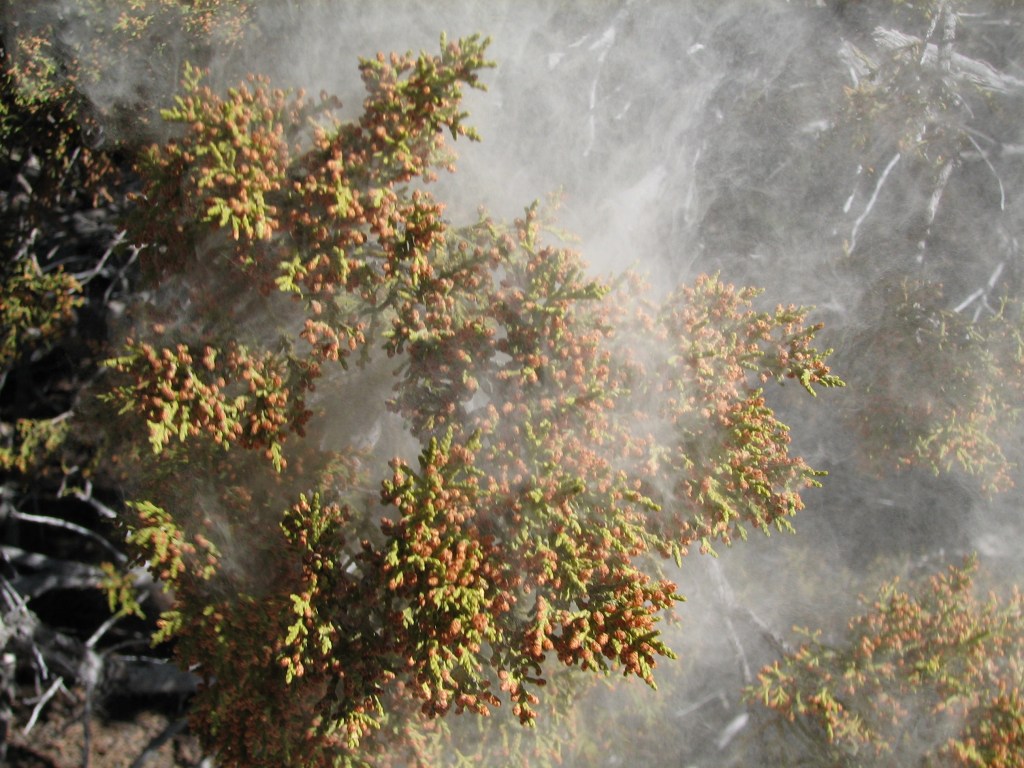
This post is based on one that was originally published on May 15, 2011, on my blog “Pollinators Info” (no longer online). No animals required! Wind pollination is another ancient type, demonstrated by the male juniper cones in the featured image (the white cloud is pollen). Plants pollinated by wind typically have no flowers, or…
-
Pollination Types: Water

This post is based on one that was originally published in May 15, 2011, on my blog “Pollinators Info” (no longer online). No animals required! Water pollination is the most ancient (evolved earliest) type, found among aquatic plants and those that live in moist environments. The sperm and eggs of plants like the mosses in…
-
Pollinators Need Water, Too!

This post was originally published in July 2, 2011, on my blog “Pollinators Info” (no longer online). Many people like seeing birds bathing in their yard- I know I do! It tickles me to death to see them flapping and splashing in my two little birdbaths. What you might not know is that other wildlife…
-
Stem-Nesting Pollinators
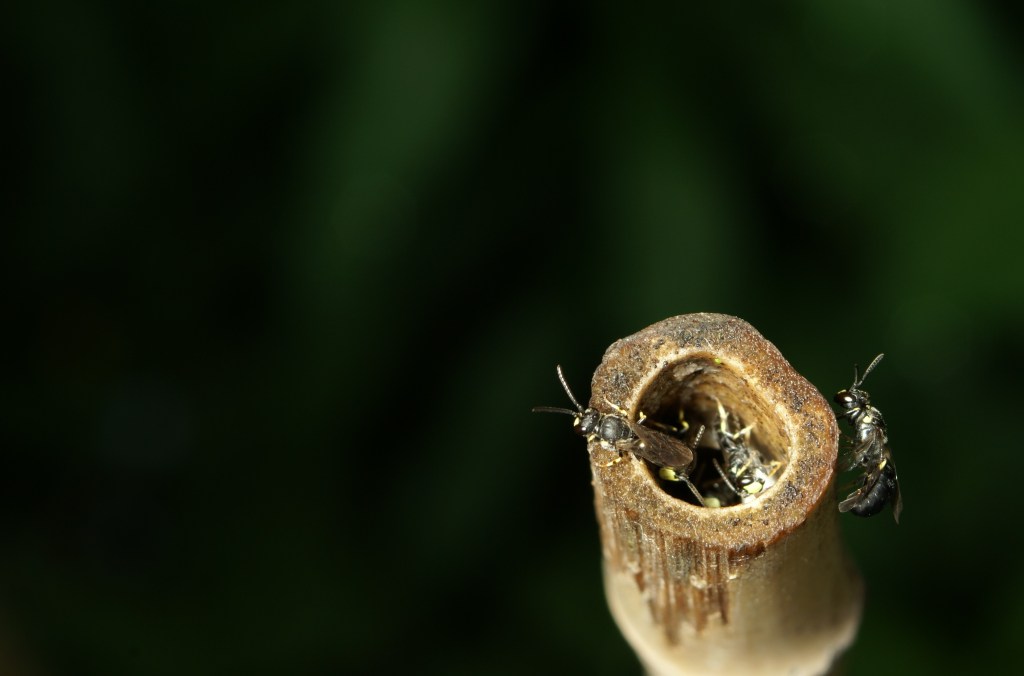
This post was originally published in June 21, 2011, on my blog “Pollinators Info” (no longer online). I just discovered that I have something(s) nesting in my bee condos! I call them bee condos because they’re made for orchard mason bees, leaf-cutter bees, and similar bees that nest in stems in the wild. And they’re…
-
Which Colors Attract Which Pollinators?

This post was originally published in February 24, 2012, on my blog “Pollinators Info” (no longer online). It turns out, it’s more complicated than we used to think. The idea of pollination syndromes came about decades ago, and suggested that there were set characteristics among flowers that attracted certain pollinators. This is useful when you’re…
-
Prehistoric Pollinators

This post was originally published in January 16, 2012, on my blog “Pollinators Info” (no longer online). Scorpionflies did it before birds or bees! Fossils suggest scorpionflies might have been some of Earth’s first pollinating animals! Scorpionflies are a neat group of insects. Their order, Mecoptera, means “long wings,” and their common name comes from…
-
Take Action to Help Pollinators #9

This post was originally published in August 2012, on my blog “Pollinators Info” (no longer online). Put out some ripe fruit Did you know that some butterflies feed exclusively from ripe fruit, tree sap, even dung and carrion? It’s true! These species, such as the lovely commas (Polygonia), don’t serve as important pollinators because they…
-
Take Action to Help Pollinators #8

This post was originally published on April 19, 2012, on my blog “Pollinators Info” (no longer online). Leave those sticks Many native bees and other beneficial insects (like wasps and beetles) nest in stems and fallen wood. If you have large trees on your property, consider leaving their fallen stems for pollinators! If you’re the…
-
Take Action to Help Pollinators #7
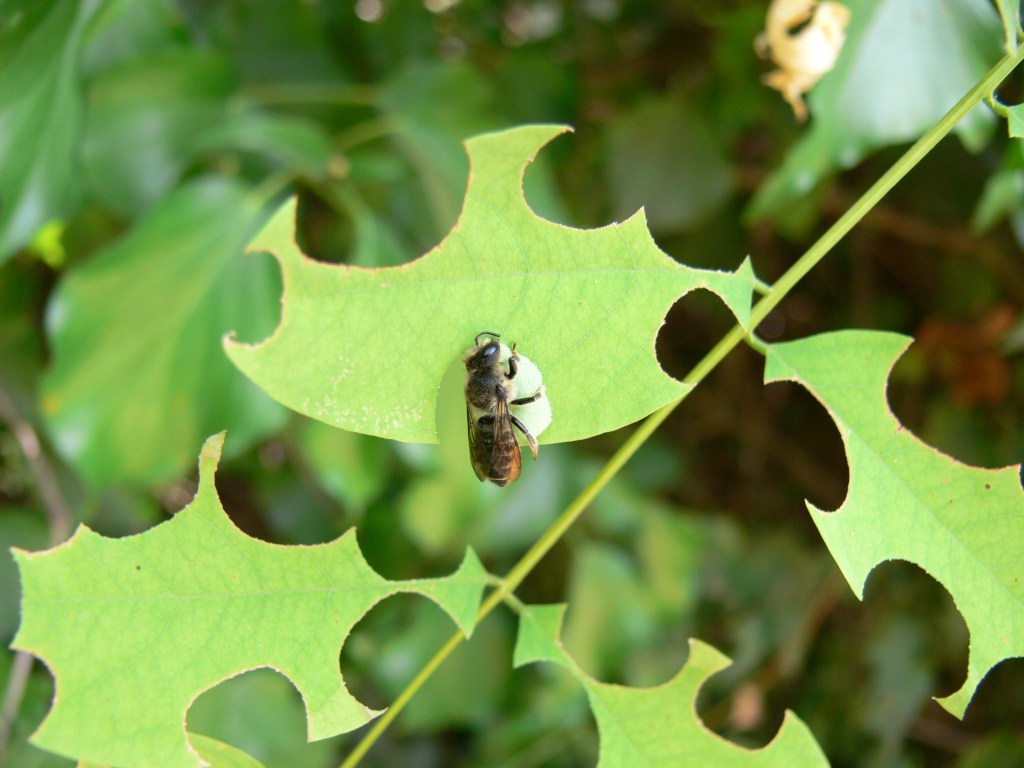
This post was originally published on April 5, 2012, on my blog “Pollinators Info” (no longer online). Allow a little nibbling It seems that many gardeners aim for plants in pristine condition. While this has aesthetic appeal, it usually means killing anything that threatens to take a bite out of their plants. Plants in the…
-
Take Action to Help Pollinators #6
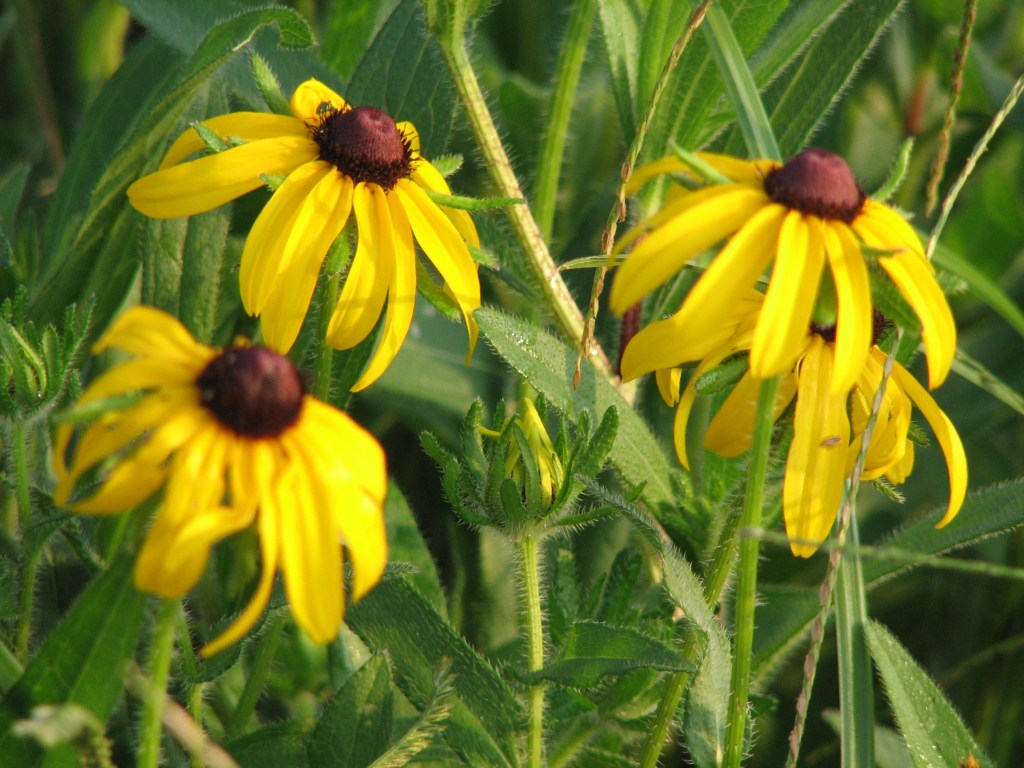
This post was originally published on February 14, 2012, on my blog “Pollinators Info” (no longer online). Use natives Pollinators get the most benefit from native plants, no matter where you live. There’s a lot of research to back this up; native plants are better for pollinators than non-natives. Here are a few reasons why:…
 Athena Rayne Anderson