Download and use of images from this site is a violation of copyright law and legal action will be pursued, unless permission has been granted by the author.
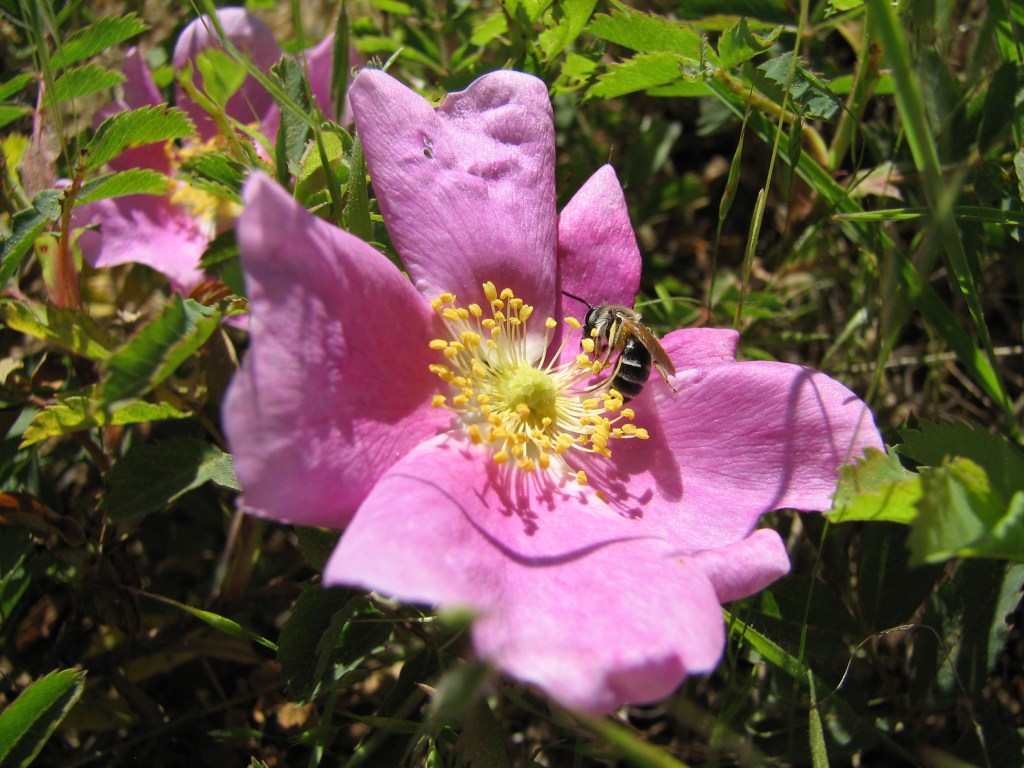
Animal pollination is the most recently evolved of the three pollination types (water and wind are the others). Fossil evidence suggests animal pollination evolved in the early Cretaceous, about 145 million years ago, alongside the evolution of flowering plants (angiosperms). In animal pollination, an animal moves pollen from the male flower organs to the female flower organs.
The primary cost of animal pollination is that an animal is needed. The reproductive success for most plants that depend on animal pollination is very low if an animal pollinator is unavailable. The primary benefit of animal pollination is reliability; animals are dependable vectors for transporting pollen from male to female flower organs.
There are many animal groups that include pollinating species, but it’s rare for any group to be made up exclusively of pollinators. The majority of bee species are pollinators, but there are even exceptions in this group!
Major Animal Pollinator Groups
The following groups of animals include many species that are important pollinators globally:
- Bees
- Butterflies & Moths
- Beetles
- Flies
- Birds
- Bats
- Small mammals (that don’t fly)
Believe it or not, there are even reptile and large mammal species that are important pollinators! Check out other posts in the Pollinators category to learn about the diversity of animal pollinators, their life histories, and conservation.
| Download and use of images from this site is a violation of copyright law and legal action will be pursued, unless permission has been granted by the author. All images are copyright Athena Rayne Anderson unless otherwise stated. |

 Athena Rayne Anderson
Leave a comment