Download and use of images from this site is a violation of copyright law and legal action will be pursued, unless permission has been granted by the author.
This post is part of an article I submitted for publication with a Georgia magazine called “Coastscapes” in 2010-2012. I’ve been unable to find this magazine online, but want to share the content for your educational enjoyment. The magazine was geared towards the general public, so there are no references to research articles. Feel free to contact me if you’d like help finding references for any of the content! All images that are not my own are used with permission.
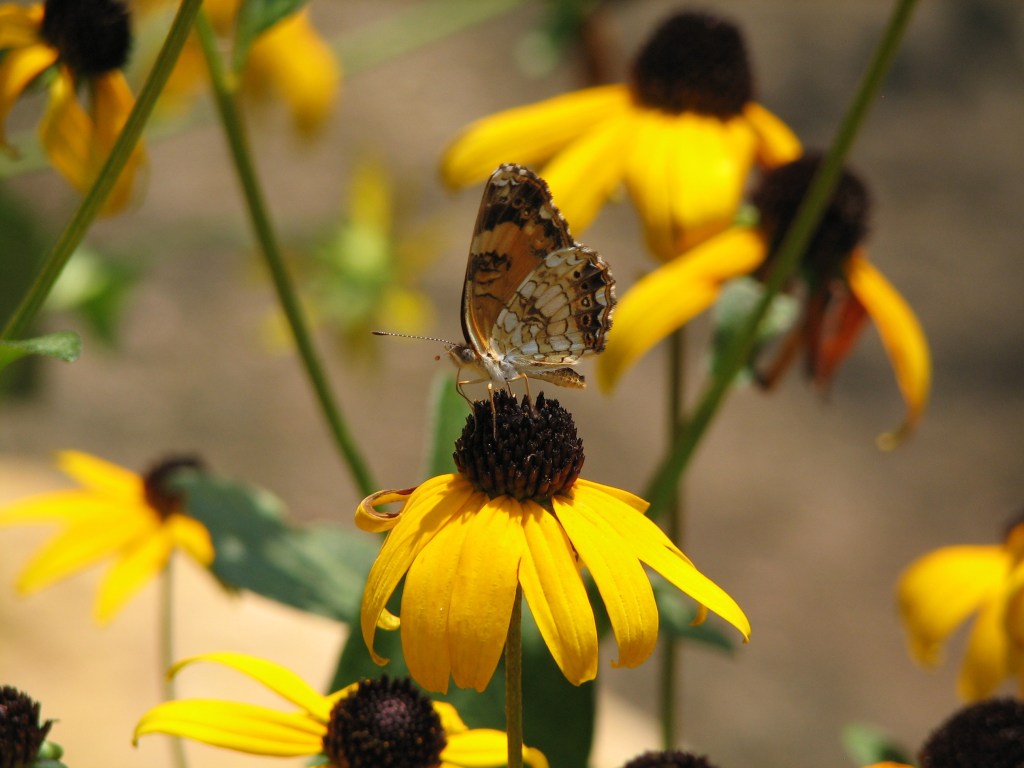
You’re probably much more familiar with butterflies than other groups of pollinators. This isn’t surprising, considering that they are easy to identify, conspicuous, and harmless. A great many field guides are devoted to identifying butterfly species, and most include some basic moth information as well. As a group, butterflies and moths will visit a wide variety of flower shapes, sizes, and colors. Moths tend to be more often specialized than butterflies, preferring flowers with longer petal tubes. Expect to see most butterflies and moths flying during warm, sunny weather, and summer is the peak season.
In this guide, we’ll introduce you to some of the most abundant butterfly families in the region. Butterflies tend to be more well-known than moths, primarily because most moths are active at night. Sometimes butterflies and moths can be tough to tell apart; usually moths are more hairy and don’t have clubbed antennae (antennae that look like they have a ball on the end, like in butterflies). We focus here on two groups of moths that are active during daylight hours and that you are likely to see in your garden.
Common Native Butterflies & Moths in the Georgia Coastal Plain
Skipper Butterflies
Family Hesperiidae
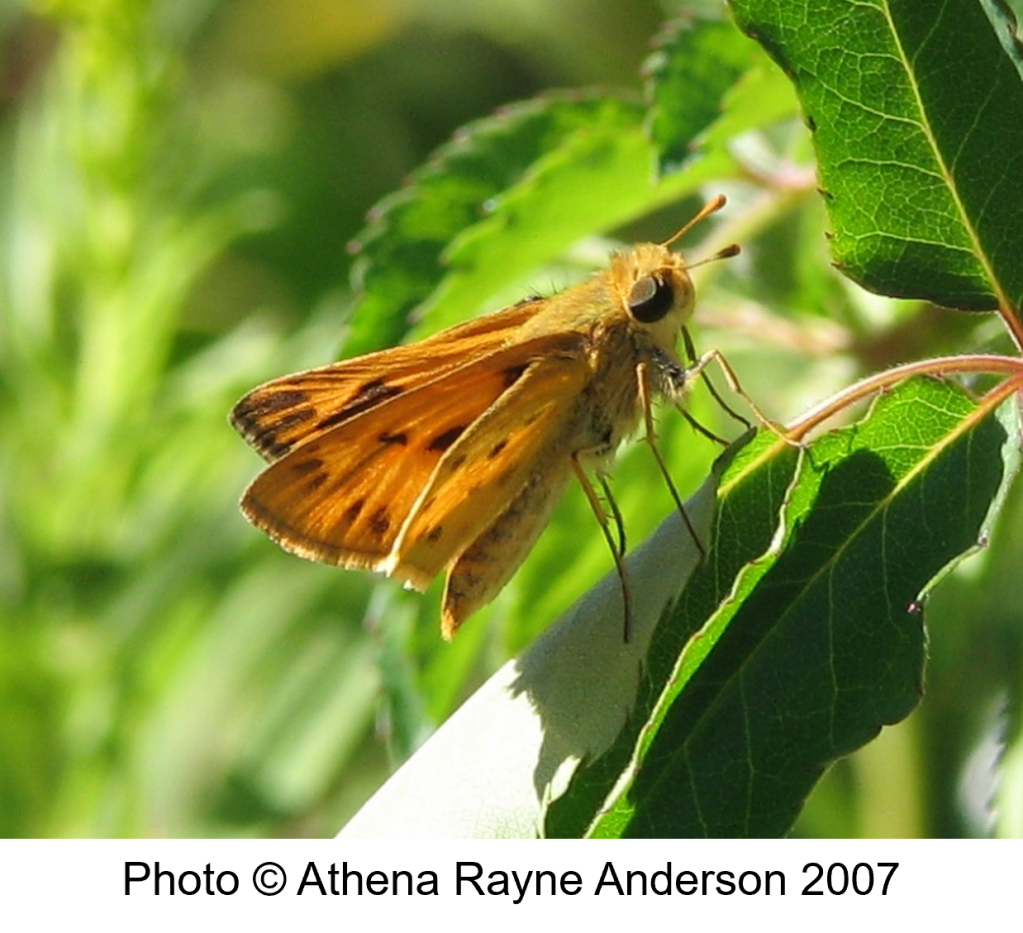
These butterflies tend to be small and have a ‘zippy’ flight pattern between flowers. Their most distinctive characteristic is their habit of holding their wings half-open, like the one in this photo. If you get to see one up really close, you’ll also notice that their antennae are clubbed AND have a hook on the end of each. Skippers also tend to have more robust bodies and larger compound eyes, relative to their body size, than other butterflies. Some common species in the region are the fiery, silver-spot, and common checkered skippers.
Swallowtail Butterflies
Family Papilionidae
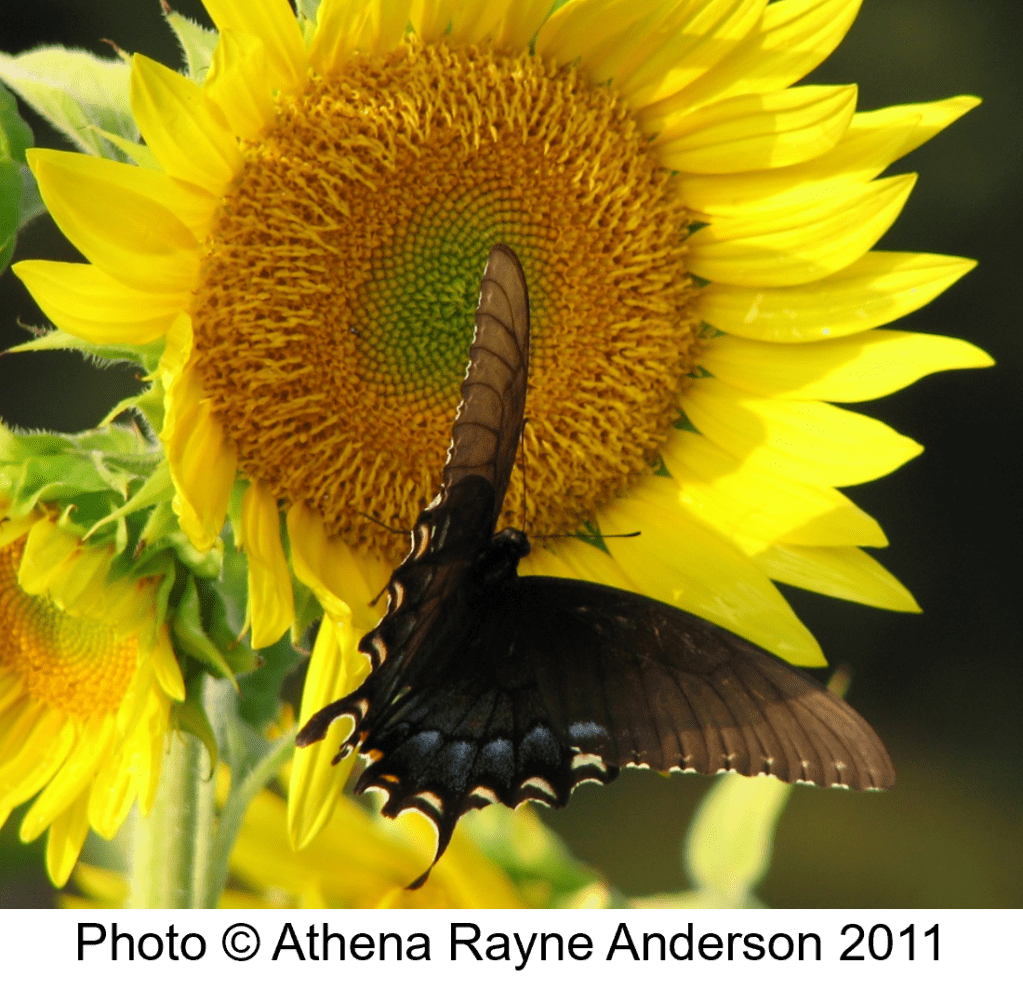
These tend to be the largest butterflies in the region, some having a wingspan of several inches. Most are recognizable by the long “tails” on their hindwings, as you can see in the one in this photo. Caterpillars in this family all have an inflatable forked structure on their heads that they poke out to scare off predators. Some common species include the eastern tiger, spicebush, and zebra swallowtails.
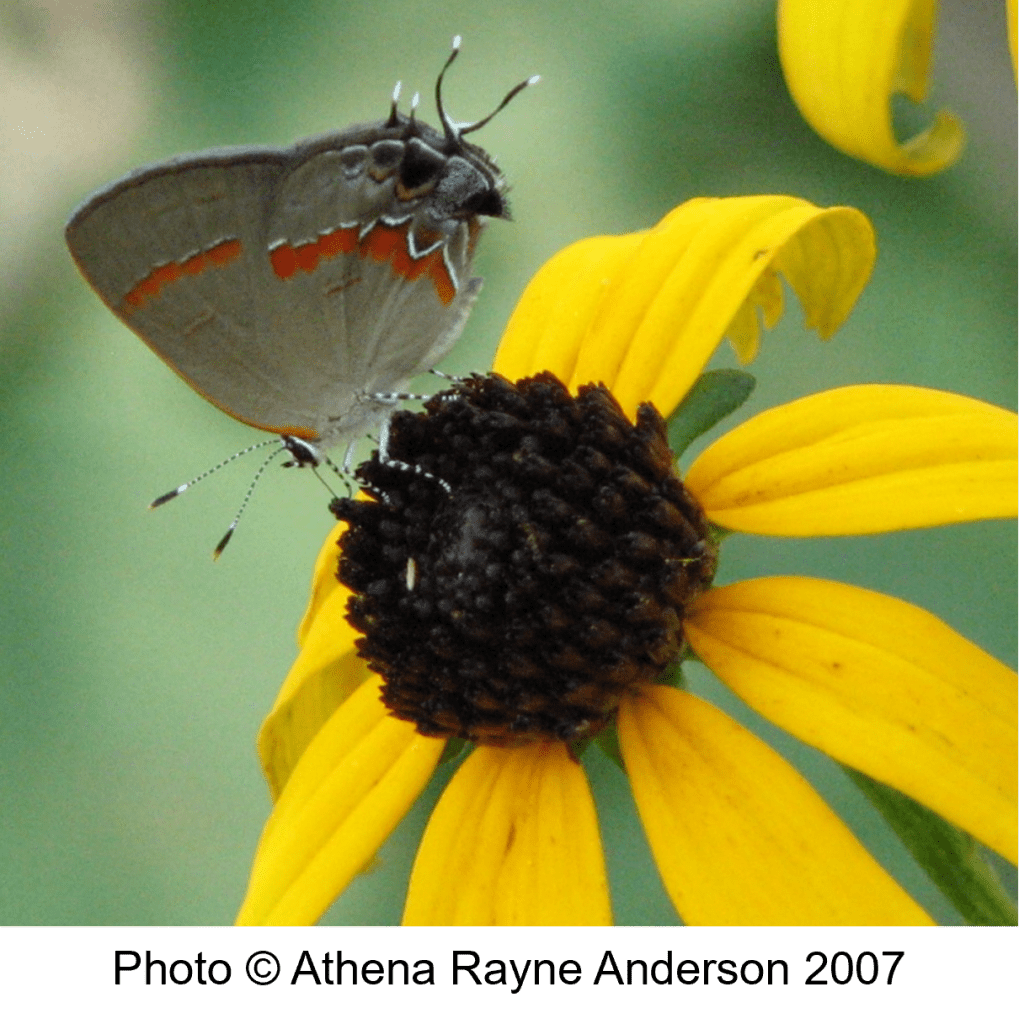
Hairstreak Butterflies
Family Lycaenidae
These are sometimes called gossamer-winged butterflies, and they tend to be small and delicate in appearance. One common characteristic is a pair of extentions on their hind wings that resemble antennae. Coupled with eyespots and a habit of slowly rubbing their wings together when at rest, this “false head” appearance tends to trick predators into attacking the butterfly’s wings instead of its head. Some common species include the coral and American copper hairstreaks, and the eastern tailed blue.
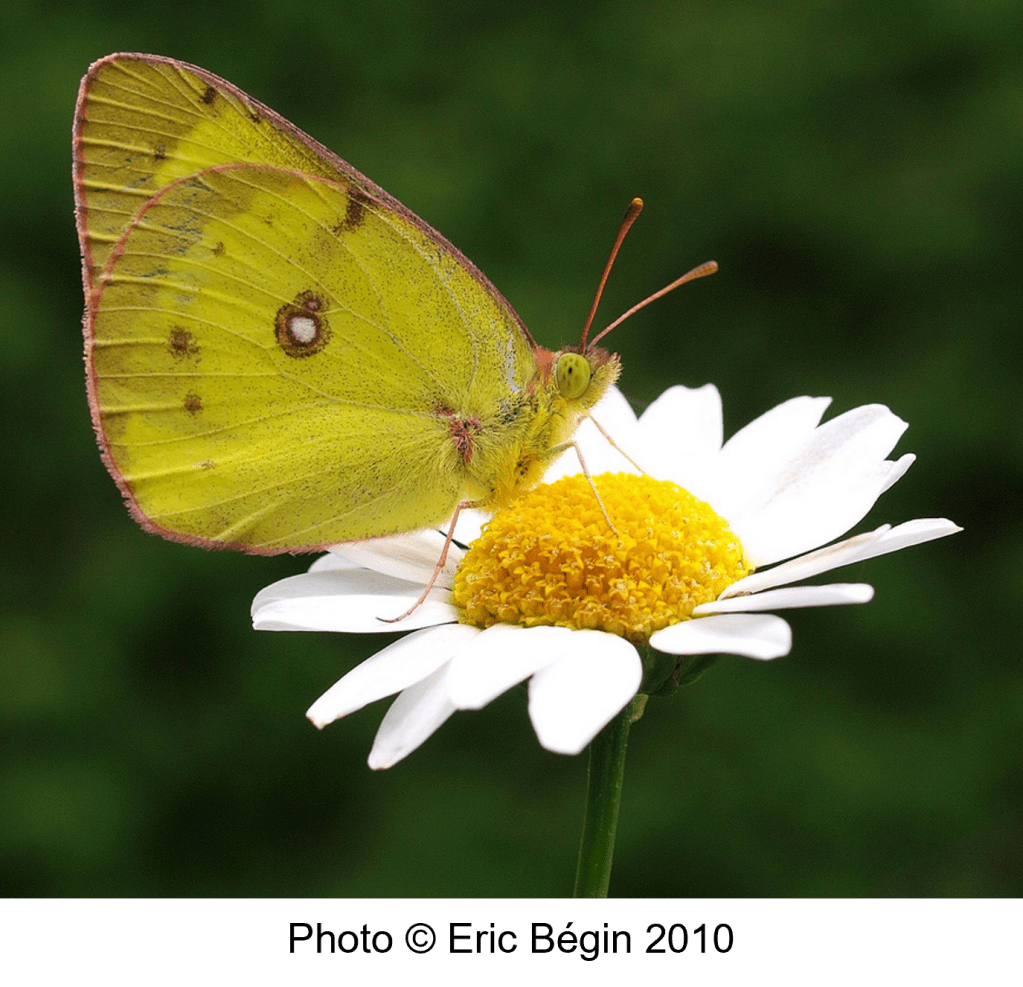
White & Sulphur Butterflies
Family Pieridae
These are mid-sized butterflies, and most are iridescent white, yellow, or orange. This is one of a few families in which males and females have different coloration (called sexual dimorphism). Caterpillars of these species are commonly found on plants in the mustard family, but adults visit many flowers for nectar. Some common species are the cabbage white, clouded sulphur, and the sleepy orange.
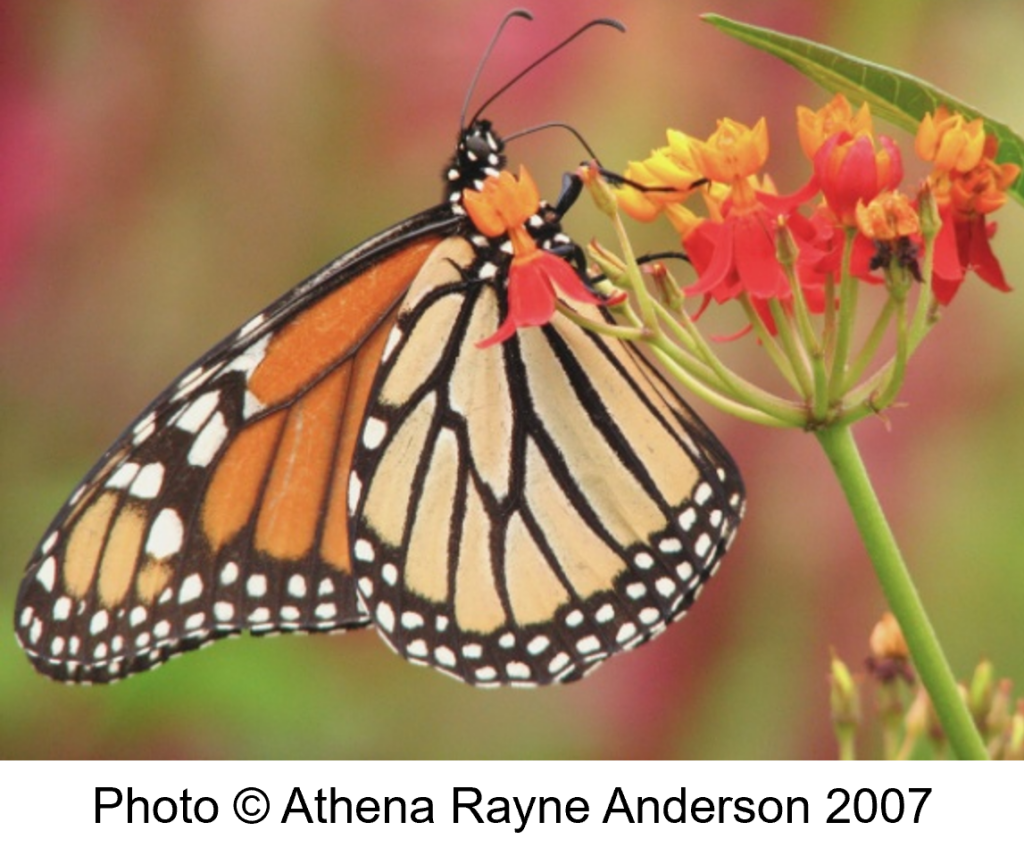
Brush-Footed Butterflies
Family Nymphalidae
These are medium to large butterflies, typically with bright coloration. In many species, the underwings are dark, or resemble leaves, which helps the butterfly to camouflage itself when resting. The forelegs are small and fuzzy, like a brush, hence the family name. This is the largest butterfly family, with a great diversity in coloration among its species. Some you’re likely to see in your garden are the monarch (pictured here), the gulf fritillary, and the pearl crescent.
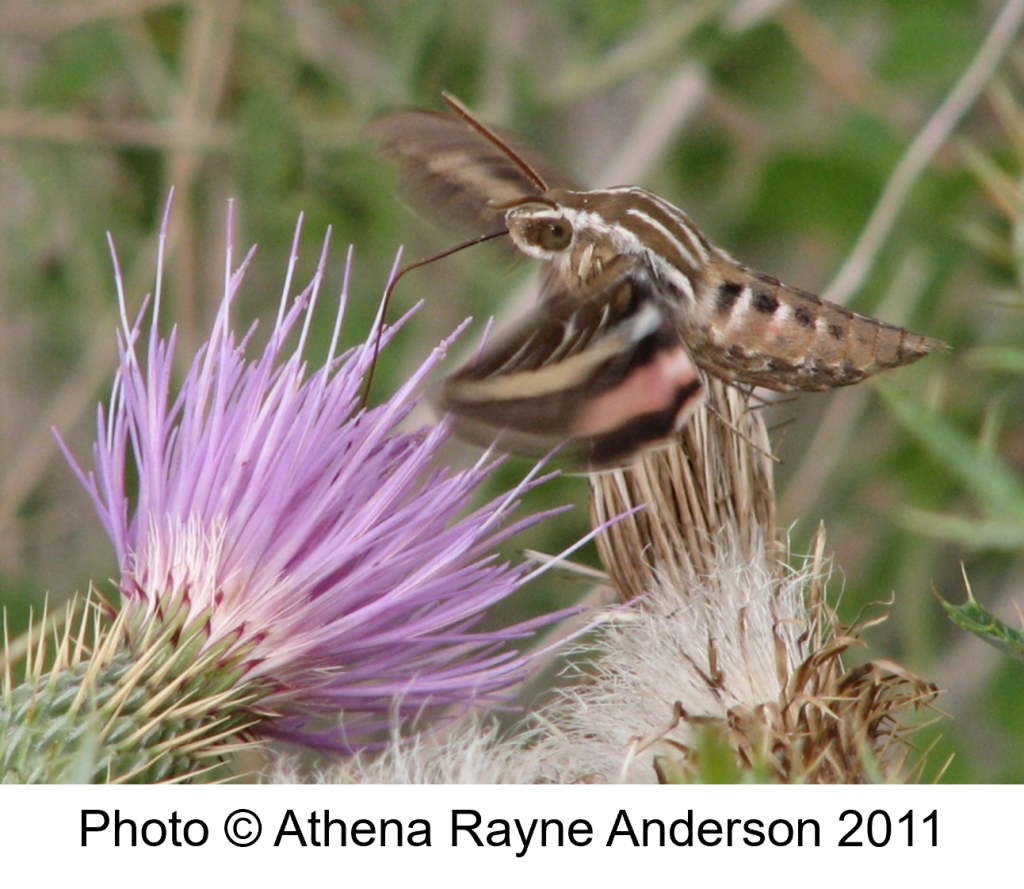
Sphinx Moths
Family Sphingidae
These moths tend to be large, and many species are active during the day. They’re also known as hawk moths and ‘hummingbird moths,’ because they look and sound like hummers in flight. They also hover while drinking nectar, like the one in this photo is doing. Caterpillars in this family are commonly called ‘hornworms’, and are large and conspicuous. The species shown here is the white-lined sphinx; other species you might see are the tobacco hornworm, and the hummingbird clearwing.
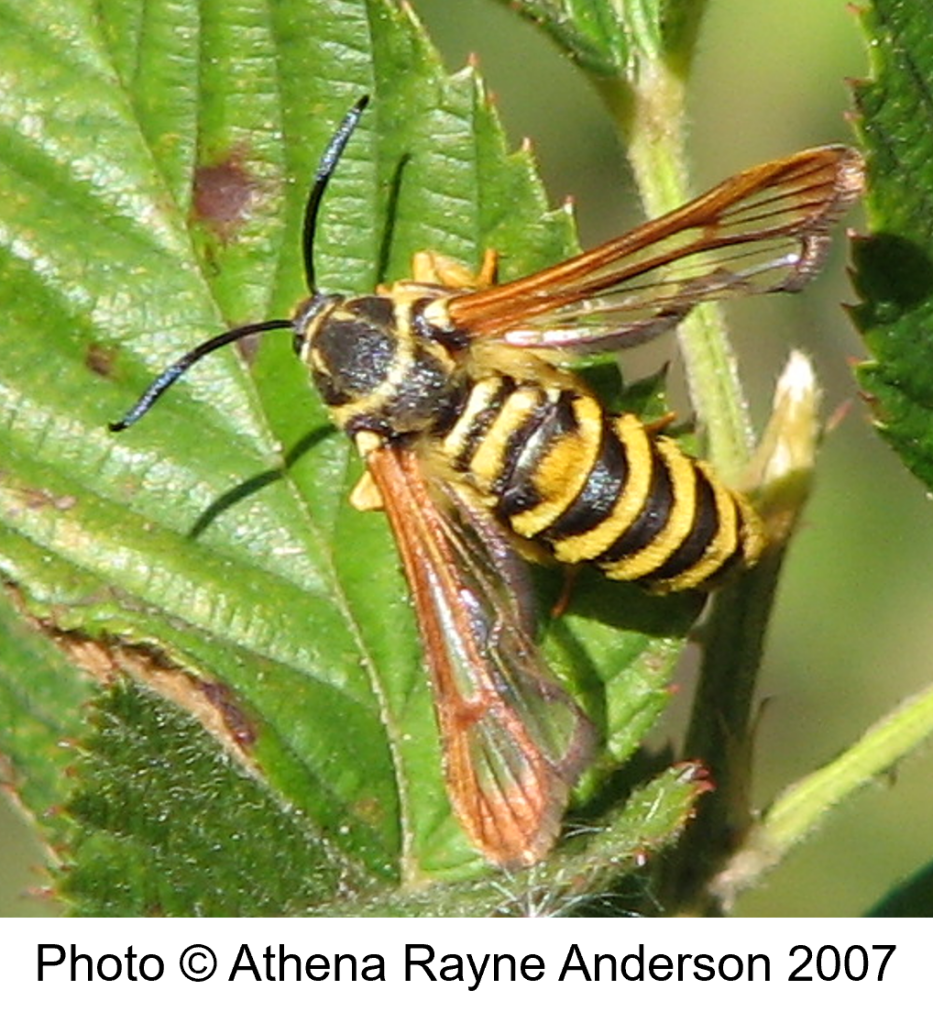
Clearwing Moths
Family Sesiidae
These moths usually resemble wasps and bees, an adaptation called mimicry that makes them less likely to be targeted by predators. Species in this family almost always have elongated, clear wings, and bright coloration on their bodies. Their caterpillars often tunnel in wood, hence this group’s other common name: borer moths. Some common species include the grape root borer, squash vine borer, and the tupelo clearwing.
| Download and use of images from this site is a violation of copyright law and legal action will be pursued, unless permission has been granted by the author. All images are copyright Athena Rayne Anderson unless otherwise stated. |

 Athena Rayne Anderson
Leave a comment